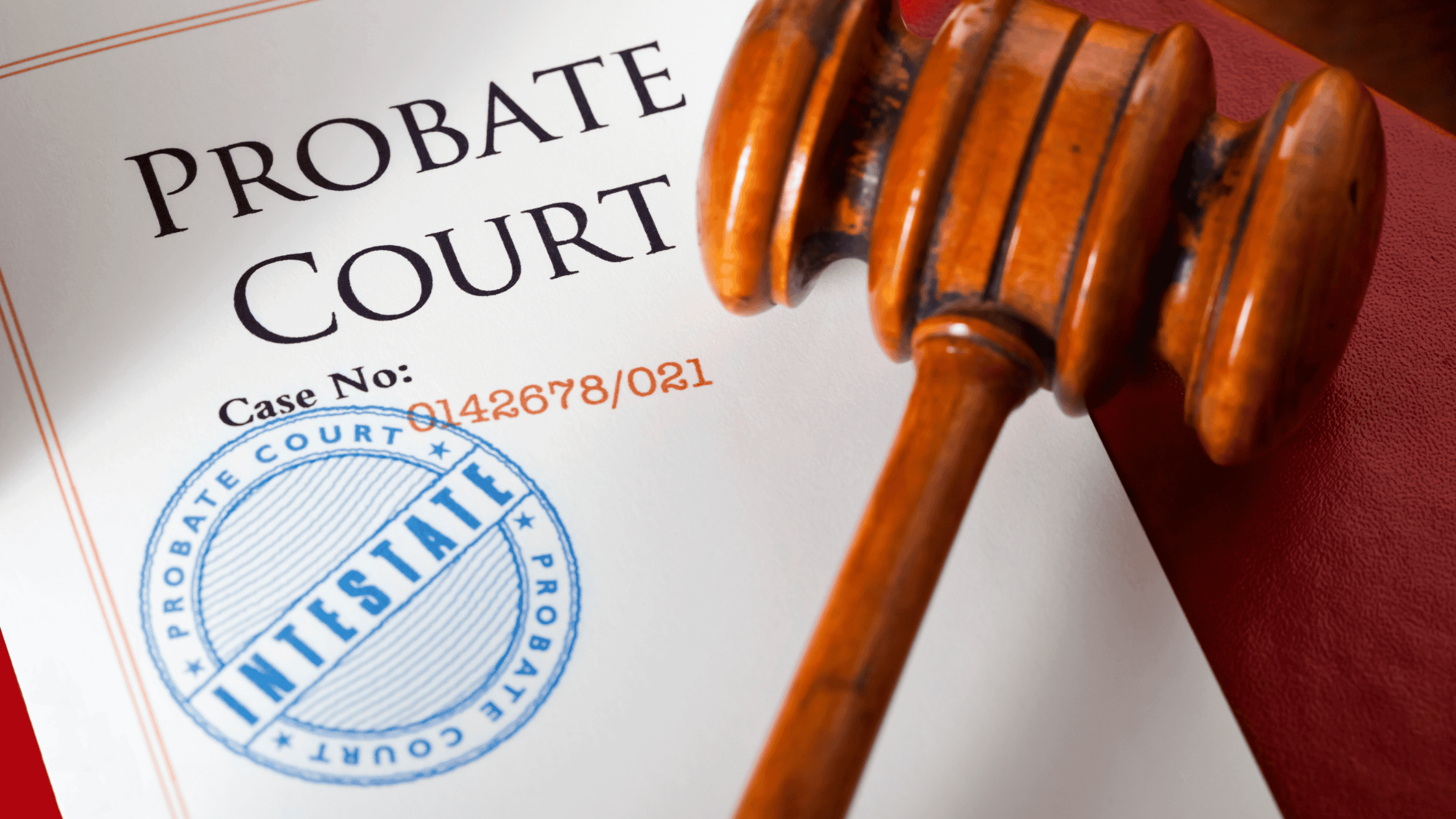
💻 Digital Assets and Wills: What Happens to Your Online Accounts?

📘 Introduction

We live in a world where so much of our lives exist online — from bank accounts and business assets to family photos and personal messages. Yet, when it comes to estate planning, most people only think about their physical possessions: homes, cars, and savings.

So what happens to your digital life when you pass away? Who controls your Facebook, Google Drive, or cryptocurrency wallets? Can loved ones access important files or business data?

In Ontario, these questions are becoming increasingly important — and legally complex. This guide explains everything you need to know about including your digital assets in your will, how the law treats them, and what you can do today to make sure your digital legacy is protected.

If you haven’t updated your will in a few years, it’s time to include your digital life. This is your complete guide to digital assets will Ontario — practical, secure, and future-ready.

💾 What Are Digital Assets?

Digital assets are any electronic records, files, or accounts that hold personal, financial, or sentimental value. They can include:

🔹 Personal Digital Assets

  • Photos and videos stored on iCloud, Google Photos, or Dropbox.
  • Emails, messages, and personal documents.
  • Social media accounts (Facebook, Instagram, X/Twitter, TikTok).

🔹 Financial Digital Assets

  • Online banking and investment accounts.
  • Cryptocurrency wallets (Bitcoin, Ethereum, etc.).
  • PayPal, eBay, or Amazon seller accounts.
  • Online businesses, domain names, and monetized YouTube channels.

🔹 Professional Digital Assets

  • Freelance portfolios, websites, and business accounts.
  • Software licenses or cloud storage with work files.

🔹 Loyalty and Reward Programs

  • Aeroplan, PC Optimum, and other points accounts — many have value but strict transfer rules.

In short, digital assets are everything you own, store, or control electronically — and under Ontario law, these require clear instructions to be managed after your death.

⚖️ The Legal Challenge: Why Digital Assets Are Complicated

Traditional estate laws weren’t written with online property in mind. In Ontario, there’s no single law governing digital inheritance, meaning executors and families face several challenges:

  • Privacy laws: Many online platforms (like Google or Apple) have strict terms preventing account access without legal proof.
  • Passwords & encryption: If no one knows your login credentials, access may be impossible.
  • Jurisdiction issues: Data stored on foreign servers may follow U.S. or EU privacy laws, not Ontario’s.
  • Valuation problems: Some digital assets — like NFTs or cryptocurrency — fluctuate in value and are hard to appraise.

Without planning, valuable or sentimental data can be lost forever. Including your online accounts in your digital assets will Ontario ensures your executor can manage your digital life legally and efficiently.

🧠 Why You Need to Include Digital Assets in Your Will

Here’s why digital estate planning matters:

  1. To protect financial value – Cryptocurrency, monetized accounts, or digital businesses can be worth thousands.
  2. To preserve memories – Family photos and personal emails can be irreplaceable.
  3. To prevent identity theft – Unused accounts are prime targets for hackers.
  4. To reduce stress for loved ones – Clear instructions save your family months of frustration.

Think of your digital assets as an extension of your physical estate — and just as deserving of protection.

🧾 How to Include Digital Assets in Your Ontario Will

Here’s a step-by-step approach for integrating your digital assets into your estate plan:

1. Make an Inventory

List every digital account you own — from email to investment apps. Include:

  • Platform name
  • Login email
  • Purpose or value
  • Location of passwords (but never put passwords directly in your will)

2. Appoint a Digital Executor

In Ontario, you can name a trusted person to manage your online accounts. This “digital executor” can:

  • Access and close online accounts.
  • Retrieve or delete data.
  • Transfer valuable digital property.

3. Give Clear Instructions

Specify what you want done with each account — delete, memorialize, or transfer. For example:

  • “Delete my Twitter account.”
  • “Download and preserve my Google Photos albums.”
  • “Transfer my Bitcoin wallet to my spouse.”

4. Secure Access Credentials

Keep passwords in a separate, secure document or password manager (e.g., LastPass, 1Password). Share access details only with your executor through trusted means.

5. Update Regularly

Your digital footprint changes constantly — update your list yearly to reflect new platforms or business accounts.

Working with a lawyer experienced in digital assets will Ontario ensures your plan complies with privacy, tax, and estate laws.

💬 The Emotional Value of Digital Memories

Beyond financial assets, our digital lives hold priceless emotional value. Family photos, emails, and videos often tell our life stories better than any physical object. For many families in Ontario, the hardest part after a loved one’s passing isn’t accessing money — it’s losing access to years of memories stored on cloud platforms or social media.

Including digital memories in your digital assets will Ontario ensures these personal treasures aren’t lost to forgotten passwords or deleted accounts. You can specify who should inherit your digital photos, videos, and creative work, giving your loved ones a way to preserve your story for generations.

A well-drafted will transforms those emotional assets into part of your legacy — just as meaningful as your home, jewelry, or family heirlooms.

⚖️ Challenges Executors Face with Digital Assets

Even the most organized estates can face complications when executors encounter locked devices or inaccessible accounts. In the past, executors simply collected mail and keys; today, they may need to retrieve data from smartphones, cloud servers, or cryptocurrency wallets.

Without specific authorization in your digital assets will Ontario, many online providers will refuse access — even to immediate family or legal executors. In some cases, companies have deleted valuable data because executors didn’t act quickly or lacked clear authority.

This is why estate lawyers increasingly recommend including a digital authorization clause. It grants your executor explicit permission to access and manage your online accounts, ensuring they can fulfill your final wishes without violating privacy laws or service agreements.

🧭 Evolving Legal Landscape for Digital Assets

As technology evolves, so does the law. While Ontario doesn’t yet have a comprehensive statute on digital inheritance, several provinces and U.S. states have adopted legislation (such as the Uniform Access to Digital Assets Act).

These developments influence how Ontario courts interpret digital estate rights. By including a digital clause now, you future-proof your will against upcoming legal changes — protecting your family from confusion later.

At PK Law & Associates, we stay informed about these emerging digital laws, helping our clients prepare wills that meet current and future standards for digital assets will Ontario.

🔐 Cybersecurity and Safe Storage of Digital Estate Information

One of the biggest concerns clients have when creating a digital assets will Ontario is how to keep passwords safe. Writing them directly into your will is risky — wills become public records once probated.

Instead, we recommend:

  • Using an encrypted password manager and leaving access instructions with your executor.
  • Storing login credentials on a secure USB drive in a lawyer’s vault or safety deposit box.
  • Updating your password list regularly to prevent outdated information.

These methods strike a balance between accessibility and security, ensuring executors can act efficiently without exposing sensitive data to cyber threats.

🧾 Real Case Example: The Lost Cryptocurrency Wallet

A Toronto man passed away suddenly, leaving behind significant cryptocurrency investments. Unfortunately, he hadn’t documented his private keys or wallet passwords anywhere — not even in his will. Despite court approval and technical support, his family couldn’t recover the funds, resulting in a complete loss.

This case underscores the importance of including specific instructions for digital assets will Ontario — especially for digital currencies and investment platforms. Even the most valuable online assets are useless without proper access information and legal authorization.

At PK Law & Associates, we’ve seen firsthand how a small oversight in digital estate planning can cost families years of frustration and financial loss. With clear documentation and legal guidance, you can prevent these heartbreaking scenarios.

🧩 Digital Executors in Ontario: Their Role and Responsibilities

A digital executor is not a separate legal role under Ontario law yet, but it can be assigned in your will as a special instruction to your primary executor.

Their tasks may include:

  • Accessing digital devices (phones, laptops, hard drives).
  • Managing social media memorialization requests.
  • Redeeming loyalty points or closing subscription services.
  • Protecting confidential or business data from exposure.

Choosing someone tech-savvy and trustworthy is crucial. For families in Shelburne and Dufferin County, PK Law & Associates can guide executors through the complex legal and technical steps of digital estate management.

💰 What Happens to Digital Assets Without a Will

If you die without a will, Ontario’s Succession Law Reform Act applies — but it doesn’t automatically cover digital property.

That means:

  • Online accounts may remain active indefinitely.
  • Executors might struggle to access critical files or funds.
  • Valuable cryptocurrency or business data could be lost.
  • Companies like Google or Meta may delete inactive accounts after a set period.

This is why proactive estate planning — especially a digital assets will Ontario — is vital. It bridges the gap between your online life and Ontario’s traditional inheritance laws.

🔐 How Major Platforms Handle Digital Accounts

Different online platforms have distinct policies after a user’s death:

  • Facebook: Offers a “Memorialization” option or allows a legacy contact to manage limited functions.
  • Google: Lets you set up an Inactive Account Manager to share data after inactivity.
  • Apple: Introduced Legacy Contact features to access iCloud data.
  • PayPal: Requires proof of death and legal documentation before releasing funds.
  • Cryptocurrency exchanges: Each has unique access protocols — often requiring keys or seed phrases.

Understanding these rules helps your executor act efficiently under your digital assets will Ontario.

⚖️ Legal Precedents and Emerging Issues

While Ontario law hasn’t fully caught up to the digital world, courts are starting to recognize the need for access rights to digital property.
In some Canadian cases, executors have had to fight for years to retrieve business or financial accounts because they weren’t mentioned in the will.

This gap has prompted legal professionals — including estate lawyers like PK Law & Associates — to recommend creating a Digital Asset Clause within every modern will.

Such clauses clarify that your executor can access and manage digital files, ensuring compliance with privacy and data protection laws.

💬 Privacy vs. Access: The Legal Balance

There’s a fine line between protecting privacy and granting access. Ontario estate lawyers must balance:

  • The executor’s legal right to manage the estate, and
  • The deceased’s privacy wishes under Canadian and international data laws.

A clear digital assets will Ontario can specify limits — for example, allowing access to financial accounts but not private emails. This ensures respect for both family privacy and legal efficiency.

🧠 Digital Assets and Taxes in Ontario

Digital assets may have tax implications, especially those with financial value:

  • Cryptocurrency is treated as capital property under the CRA.
  • Online business revenue (e.g., YouTube, Etsy) may require final income reporting.
  • Digital royalties or copyrights continue generating taxable income.

Your estate lawyer and accountant can work together to properly report these assets during probate, avoiding penalties or CRA audits.

🏙️ Local Insight: Digital Estate Planning in Shelburne and Dufferin County

Residents in Shelburne, Orangeville, and Dufferin County are increasingly blending traditional and digital wealth — from small businesses with Shopify stores to families storing memories in the cloud.

Local estate lawyers, like PK Law & Associates, understand both probate law and modern asset management, helping clients create comprehensive wills that protect everything — from farmland to Facebook.

If you own online accounts tied to a business, property, or family trust, you should review your estate plan today to include digital clauses.

🧾 Key Takeaways: Protecting Your Digital Legacy

  • Create a digital asset inventory — list accounts, logins, and access instructions.
  • Include a digital assets clause in your will.
  • Appoint a digital executor to manage accounts responsibly.
  • Use secure storage for passwords and access keys.
  • Work with a local estate lawyer who understands digital assets will Ontario law.

📞 Conclusion: Preserve Your Legacy — Online and Offline

Your online accounts hold memories, money, and meaning — and they deserve the same protection as any other part of your estate.

At PK Law & Associates, we help Ontario families bring their estate plans into the digital age. From drafting wills that include digital clauses to guiding executors through probate and online account management, our team ensures nothing important is forgotten.

📍 PK Law & Associates
476 Black Cherry Crescent, Shelburne, ON
📞 +1 (416)-898-7529
📧 [email protected]

⚖️ Contested Wills in Ontario: What You Can Do if You’re Left Out

📘 Introduction

Discovering that you’ve been left out of a loved one’s will can be one of the most painful moments in life. Beyond the emotional shock, you may also face financial uncertainty and confusion about your legal options.

In Ontario, will disputes are more common than most families realize. Whether you’ve been excluded entirely, received less than expected, or suspect the will was influenced by someone else, you may have grounds for contesting a will Ontario.

This guide walks you through the legal process, timelines, and real-world steps to take — and how a local firm like PK Law & Associates in Shelburne can help you challenge a will effectively and compassionately.

🧾 What Does “Contesting a Will” Mean in Ontario?

Contesting a will means legally challenging its validity or fairness in court. You’re essentially asking the court to:

  • Set aside all or part of the will, or
  • Redistribute the estate fairly based on law and evidence.

In contesting a will Ontario, you’re not just arguing over money — you’re questioning whether the document truly reflects the deceased’s intentions.

Common reasons to contest include:

  • The deceased lacked mental capacity when signing the will.
  • The will was made under undue influence or coercion.
  • The will doesn’t meet Ontario’s legal formalities.
  • The deceased failed to provide adequate support for dependents.

⚖️ Who Can Contest a Will in Ontario?

Not everyone can file a will challenge. Ontario law allows specific individuals to dispute a will if they have a legal interest in the estate, such as:

  • Spouses (married or common-law) who were financially dependent on the deceased.
  • Children (including adult or dependent children).
  • Stepchildren or adopted children who were financially supported.
  • Other dependents, such as elderly parents or relatives.
  • Beneficiaries or heirs named in a prior version of the will.

If you fall into one of these categories, you may have legal standing to begin contesting a will Ontario.

🧠 Grounds for Contesting a Will in Ontario

Challenging a will isn’t about disappointment — it’s about proving that something legally invalid occurred. Courts in Ontario recognize several grounds for contesting a will:

1. Lack of Testamentary Capacity

The testator (person making the will) must understand:

  • What a will is and what it does.
  • The extent of their property.
  • Who their beneficiaries are.

If mental illness, dementia, or medication impaired their judgment, the will may be invalid.

2. Undue Influence or Coercion

If someone manipulated or pressured the testator into signing, courts can set the will aside. Signs include sudden changes to beneficiaries, secrecy, or dependence on one person.

3. Improper Execution

Ontario law (under the Succession Law Reform Act) requires that:

  • The will be in writing.
  • Signed by the testator in front of two witnesses.
  • Witnesses sign in each other’s presence.

Failure to meet these rules can invalidate the document.

4. Fraud or Forgery

If there’s evidence that signatures were faked, pages replaced, or the document altered, it can be declared void.

5. Failure to Provide for Dependents

Under Ontario law, dependents — including spouses, children, or others financially supported — can apply for relief if the will fails to provide adequate support.

These are the most common and powerful grounds for contesting a will Ontario successfully.

🏛️ How to Contest a Will in Ontario

The process for contesting a will Ontario involves several legal steps and strict timelines:

Step 1: Seek Legal Advice Immediately

Before taking any action, speak to an experienced estate litigation lawyer. They can assess your standing, review the will, and determine if your case has merit.

Step 2: Gather Evidence

Collect any relevant documentation, such as:

  • Previous versions of the will.
  • Medical records showing mental capacity.
  • Witness statements.
  • Financial documents proving dependency.

Step 3: File a Notice of Objection

Your lawyer can file a Notice of Objection with the court to temporarily stop the estate from being distributed until the dispute is resolved.

Step 4: Begin Estate Litigation

The court will review evidence, hear arguments, and determine whether the will is valid. This may involve expert witnesses (doctors, handwriting analysts, etc.) and mediation sessions.

Step 5: Settlement or Judgment

Many cases settle before trial through negotiation or mediation. If not, a judge issues a decision that can result in the will being upheld, altered, or set aside.

Time Limits for Contesting a Will in Ontario

Timing is critical. Generally, you have two years from the date you discovered grounds for a claim to start contesting a will Ontario.

However:

  • If you’re a dependent seeking support, you must file within six months of probate.
  • Delays can result in lost rights or estate assets being distributed before your claim.

Consulting a lawyer early ensures that your claim is filed on time and properly documented.

💬 Common Scenarios That Lead to Will Disputes

Here are some real-life examples of how contesting a will Ontario arises:

  • An elderly parent suddenly changes their will to exclude one child in favor of a new caregiver.
  • A second marriage results in stepchildren being left out of the estate.
  • A will written under hospital care contains inconsistencies or missing signatures.
  • A dependent child or partner receives no financial support despite years of caregiving.

Each case requires careful investigation and legal insight to uncover the truth behind the document.

🧾 What Happens to the Estate During a Will Challenge?

Once a Notice of Objection is filed, the executor cannot distribute assets until the dispute is resolved.

In some cases, the court may:

  • Freeze estate accounts.
  • Appoint a neutral estate trustee during litigation (ETDL).
  • Order mediation to reach settlement.

The process protects all beneficiaries while ensuring fair resolution.

💰 Costs of Contesting a Will in Ontario

Legal costs depend on case complexity, but it’s important to know:

  • Courts may order the losing party to pay some or all of the other’s legal fees.
  • In some instances, the estate may cover reasonable legal expenses.

Your lawyer will discuss cost-benefit expectations early on. For emotional and financial reasons, many families prefer mediation or negotiated settlements when possible.

🧩 Mediation: A Better Way to Resolve Will Disputes

Contested estates can destroy family relationships. Mediation offers a confidential, respectful way to resolve contesting a will Ontario cases without a long court battle.

A neutral mediator helps parties:

  • Communicate openly.
  • Reach a fair financial or property settlement.
  • Preserve family relationships.

In Shelburne and across Ontario, mediation has become a preferred first step in estate conflict resolution.

🧠 Preventing Future Disputes: Lessons Learned

Many will challenges arise from poor estate planning. To protect your loved ones:

  • Keep wills updated and clear.
  • Use independent witnesses and legal advice.
  • Avoid DIY online templates.
  • Discuss your intentions with family to avoid surprises.

At PK Law & Associates, we not only help families with contesting a will Ontario but also draft strong, dispute-proof estate plans for the future.

🏙️ Local Insight: Contesting Wills in Shelburne and Dufferin County

Families in Shelburne, Orangeville, and Dufferin County often face unique challenges — such as inherited farmland, small businesses, and shared family homes. These assets complicate estate divisions and frequently lead to disputes.

A local estate lawyer who understands both probate law and real estate law can handle these matters efficiently, ensuring the process follows Ontario law while respecting local property dynamics.

At PK Law & Associates, we’ve guided many local families through sensitive inheritance conflicts with professionalism, empathy, and results.

💬 The Emotional Toll of Contesting a Will

Challenging a will is rarely just a legal decision — it’s an emotional one. Families in Ontario often find themselves torn between honoring a loved one’s memory and fighting for what they believe is fair. The process can bring buried conflicts to the surface, especially among siblings or stepfamilies.

When dealing with contesting a will Ontario, it’s important to approach the situation with compassion and patience. The goal is not only to correct potential legal errors but to seek closure and fairness. Professional guidance from a lawyer — and sometimes from a family counselor or mediator — can help balance emotional healing with legal action.

At PK Law & Associates, we often remind clients that protecting their rights doesn’t mean dishonoring their loved one’s legacy; it means ensuring their true wishes are respected.

🧭 How Mediation Can Save Time, Money, and Relationships

In Ontario, courts increasingly encourage mediation before full-blown litigation in estate disputes. Mediation is a private, less adversarial process that can help families resolve conflicts more quickly — and preserve relationships that might otherwise be destroyed by years of courtroom battles.

During mediation, a neutral third party facilitates discussion, helps each side understand the other’s perspective, and works toward a compromise that everyone can accept.

For contesting a will Ontario, mediation often focuses on:

  • Adjusting inheritances or creating buyout options for family property.
  • Clarifying misunderstandings about the deceased’s intentions.
  • Dividing assets in ways that reflect family values rather than strict legal formulas.

Most importantly, mediation is confidential and far less expensive than litigation — making it an excellent first step for families in Shelburne and across Ontario.

🧾 Proving Undue Influence and Capacity: The Role of Evidence

In will disputes, evidence is everything. Courts require clear proof that something was wrong with how the will was created or executed. When alleging undue influence, for example, your lawyer may collect:

  • Medical records showing cognitive decline or vulnerability.
  • Witness statements about isolation or manipulation.
  • Financial records showing unusual withdrawals or transfers.
  • Previous versions of the will showing sudden, unexplained changes.

For contesting a will Ontario, your case’s success often depends on how thoroughly your legal team investigates the facts. That’s why it’s essential to contact a lawyer as soon as you suspect something is wrong — before key evidence is lost or destroyed.

🏡 Real Case Example: A Family Home Dispute in Dufferin County

A family in Dufferin County approached PK Law & Associates after discovering their late father’s will left the family farm entirely to one sibling, cutting out the others without explanation. The father had shown signs of dementia and had recently changed lawyers before signing the new will.

After reviewing medical and witness evidence, we helped the family file a Notice of Objection, preventing the executor from transferring the property until the case was reviewed. Through mediation, the siblings reached a fair settlement — one that preserved family relationships and ensured everyone shared in the estate’s value.

This case highlights how contesting a will Ontario isn’t just about money — it’s about justice, transparency, and protecting family integrity.

⚖️ Why Local Legal Support Matters in Will Disputes

While Ontario’s estate laws are consistent across the province, local factors often influence how disputes unfold. For example, in smaller communities like Shelburne or Orangeville, families may own multi-generational farmland, small businesses, or joint properties — assets that require both estate and real estate knowledge to handle correctly.

Working with a local estate lawyer who understands the unique dynamics of contesting a will Ontario ensures you’re not just filing paperwork — you’re building a strategy that fits your family’s circumstances, assets, and goals.

At PK Law & Associates, we combine legal precision with local understanding. We’ve guided many Shelburne families through sensitive inheritance disputes with a focus on minimizing conflict and maximizing fairness.

📞 Conclusion: You Have Rights — Don’t Stay Silent

Being left out of a will doesn’t mean you have no options. Ontario law provides clear protections for dependents, spouses, and rightful heirs. If you believe something is wrong with a will, act quickly.

Our experienced team at PK Law & Associates helps families in Shelburne and across Ontario resolve estate disputes through skilled negotiation, mediation, and, when necessary, court action.

We’ll help you uncover the truth — and fight for what’s fair.

📍 PK Law & Associates
476 Black Cherry Crescent, Shelburne, ON
📞 +1 (416)-898-7529
📧 [email protected]

🏡 Legal Steps After Inheriting Property in Shelburne: What You Need to Know

📘 Introduction

Inheriting a property can be both a gift and a challenge. Whether it’s a family home, a rental unit, or rural land, you’re not just receiving bricks and mortar — you’re inheriting a web of legal and financial responsibilities.

In Ontario, including communities like Shelburne, the process of inheriting property is tied closely to probate law, estate administration, and real estate regulations. If the deceased left a will, the process may be straightforward; if not, it could require additional legal steps through the courts.

This comprehensive guide explains everything you need to know about inheriting property in Shelburne — from probate applications and title transfers to taxes, selling, and managing your new asset responsibly.

💡 Estate Planning Lessons After Inheriting Property

For many families, inheriting property in Shelburne becomes a wake-up call about the importance of having clear estate plans in place. When property owners pass away without proper wills or succession documents, loved ones are often left to navigate complex legal processes, pay unexpected fees, and manage emotional family discussions.

If you’ve recently inherited property, consider taking this opportunity to update or create your own will and estate plan. Clearly naming beneficiaries, setting up joint ownership, and documenting your wishes can prevent confusion and legal expenses later on. Working with a local estate lawyer ensures your plan complies with Ontario law and reflects your family’s needs.


🏠 Selling an Inherited Property: Market, Emotions, and Legalities

Selling an inherited home is not just a legal process — it’s an emotional one. Many families in Shelburne struggle with the decision to part with a property that’s been in the family for decades. However, once the probate and title transfer are complete, selling can often be the most practical solution.

If you decide to sell, ensure all estate documentation is finalized before listing. Real estate agents often partner with law firms like PK Law & Associates to verify ownership, review offers, and manage closing documents. You’ll also need to account for potential capital gains tax if the property was not the deceased’s primary residence.

Taking a little extra time to prepare — such as updating the home, getting appraisals, and ensuring legal compliance — can help you sell faster and at a fair market value while honoring the memory attached to the property.


🧭 Why Local Legal Guidance Makes the Difference

Real estate and probate laws in Ontario are complex, and each municipality has its own procedures for permits, taxes, and title updates. Choosing a local lawyer familiar with inheriting property in Shelburne gives you a distinct advantage.

A Shelburne-based law firm understands the unique requirements of the Dufferin County Land Registry Office, the timelines at the Orangeville courthouse, and even local market nuances that could affect your decisions. Whether you’re clearing a title, selling a property, or sharing ownership with siblings, local insight ensures every step follows the right procedure — avoiding unnecessary costs and delays.

At PK Law & Associates, our team takes a hands-on, compassionate approach. We combine legal precision with local understanding, ensuring that your inherited property is transferred, managed, or sold efficiently and respectfully.


⚖️ Step 1: Determine How You Inherited the Property

The first step after inheriting a property is to identify how ownership was transferred to you. Ontario law recognizes several ways property can pass to a beneficiary:

1. Through a Will (Probate Required)

If the deceased left a valid will naming you as the beneficiary, the executor must apply for probate — officially known as a Certificate of Appointment of Estate Trustee With a Will. Probate confirms the will’s validity and authorizes the executor to transfer property to beneficiaries.

2. Joint Ownership with Right of Survivorship

If the property was jointly owned (e.g., between spouses), the surviving owner usually becomes the sole owner automatically, without probate. The process involves registering a Transmission of Title with the Ontario Land Registry Office.

3. Without a Will (Intestate Estate)

If there’s no will, property distribution follows Ontario’s Succession Law Reform Act. You may need to apply for probate without a will, and the court will appoint an estate trustee to manage the transfer.

Each scenario carries different documentation and timelines — and understanding which applies is crucial for next steps.


🧾 Step 2: Confirm the Property’s Legal Status

Before making any decisions, you should confirm the property’s legal standing:

  • Review the title at the Land Registry Office to check for mortgages, liens, or easements.
  • Verify if property taxes or utilities are outstanding.
  • Confirm whether insurance is active.

If the property has tenants, rental agreements must be reviewed in accordance with Ontario’s Residential Tenancies Act. A lawyer experienced in inheriting property in Shelburne can help ensure there are no surprises before taking full ownership.


💼 Step 3: Understand the Role of Probate

In most cases of inheriting property in Shelburne, probate is required. Probate gives the executor legal authority to transfer property, pay debts, and manage the estate’s assets.

You’ll need:

  • Original will (if available)
  • Death certificate
  • Completed probate application forms (Form 74.4 or 74.14)
  • Estate Information Return (filed within 180 days)

Probate Fees (Estate Administration Tax):

  • $0 on the first $50,000 of estate value
  • $15 for every $1,000 above $50,000

Example: If the property is worth $500,000, probate fees are approximately $6,750.

Skipping probate can cause serious legal issues later — including challenges with selling, insuring, or transferring the property.


🏠 Step 4: Transfer the Property Title

Once probate is complete, the next step is to transfer ownership at the Ontario Land Registry Office.

Required documents:

  • Certificate of Appointment (probate certificate)
  • Transfer/Deed of Land (Form 1)
  • Statement of Transmission
  • Affidavit of Value of Land

Your lawyer will register the title electronically through Ontario’s Teraview system. At this point, the property officially becomes yours.

If multiple beneficiaries inherit the same property, each name appears on the new title. Co-ownership can complicate decision-making, especially if one party wants to sell and another doesn’t — something a real estate and estate lawyer can help mediate.


💰 Step 5: Deal with Taxes

Taxes are one of the most misunderstood aspects of inheriting property in Shelburne. While there’s no inheritance tax in Canada, several other taxes can apply:

1. Capital Gains Tax

If the property is sold, the estate (or the beneficiary) may owe capital gains tax on any increase in value since the deceased acquired it.

  • Principal residences are usually exempt.
  • Investment or rental properties are taxable.

2. Land Transfer Tax

Beneficiaries usually don’t pay this tax unless the property is purchased rather than gifted.

3. Property Taxes

Ensure property taxes are up to date to avoid penalties.

4. Income Tax for the Estate

The estate may owe tax on rental income or investment gains before distribution. Executors are responsible for filing a final return on behalf of the deceased.

A local accountant or tax lawyer can calculate these obligations and help minimize liability.


🧠 Step 6: Decide What to Do With the Property

After inheriting property, you have three main options: keep it, rent it, or sell it. Each has pros, cons, and legal implications.

🏡 Keep It

If the property holds sentimental value, you may choose to keep it as a residence or vacation home. Make sure to update ownership, utilities, and insurance under your name.

💸 Rent It

Turning the property into a rental can provide income, but you must comply with Ontario landlord laws, obtain insurance, and declare rental income to the CRA.

🏠 Sell It

Selling can simplify estate administration. Before listing, ensure probate is complete and title transfer finalized. A real estate lawyer can assist with offers, tax filings, and disbursement of proceeds among beneficiaries.


🧾 Step 7: Handling Debts and Liabilities

When you inherit property, you may also inherit certain financial obligations associated with it — including unpaid property taxes, utility bills, or loans secured against the home.

Before taking ownership, your lawyer should:

  • Review the property’s financial records.
  • Ensure all liens or mortgages are cleared.
  • Obtain title insurance.

This step protects you from becoming personally liable for the deceased’s debts.


🏘️ Step 8: Consider Local Regulations in Shelburne

Each Ontario municipality, including Shelburne, has specific rules regarding zoning, property taxes, and permits. Before renovating, renting, or selling an inherited property, check with the Town of Shelburne’s Planning Department for:

  • Zoning restrictions
  • Permit requirements for renovations
  • Heritage designations (if applicable)

Failing to comply with municipal bylaws can delay sales or reduce property value.


⚖️ Step 9: Dealing With Multiple Beneficiaries

In families where more than one person inherits property, disagreements often arise. Common issues include:

  • Whether to sell or keep the property
  • How to divide maintenance costs
  • What happens if one sibling wants a buyout

To prevent conflict, beneficiaries should sign a co-ownership agreement outlining responsibilities, decision-making procedures, and sale conditions.

Lawyers familiar with inheriting property in Shelburne can mediate disputes and formalize agreements to protect everyone’s interests.


🧩 Step 10: Seek Legal Advice Early

Even straightforward inheritances can involve unexpected legal complications — unpaid debts, unclear wills, or boundary disputes. Working with an estate and real estate lawyer early in the process helps avoid these pitfalls.

A lawyer can:

  • Review probate documents and title records
  • Handle land transfer filings
  • Advise on tax implications
  • Draft or review co-ownership and sale agreements
  • Represent you if disputes arise

At PK Law & Associates, we’ve helped many Shelburne residents navigate the complexities of probate, estate transfers, and inherited property sales with confidence and peace of mind.


💬 Case Example: Inheriting a Family Home in Shelburne

After their mother’s passing, two siblings inherited a bungalow in downtown Shelburne. The will was valid but required probate. PK Law & Associates assisted the executor with probate filings, cleared title issues, and resolved a dispute over selling vs. renting the home.

Ultimately, the siblings agreed to sell. The sale proceeds were distributed equally, and all taxes were properly filed. What could have taken a year was resolved in six months with proper legal guidance — demonstrating the importance of professional support when inheriting property in Shelburne.


🧾 Key Takeaways

  1. Confirm how the property was transferred — via will, joint ownership, or intestacy.
  2. Obtain probate (if required) to authorize title transfer.
  3. Verify the title, insurance, and outstanding debts.
  4. Consider tax obligations, including capital gains.
  5. Decide whether to keep, rent, or sell.
  6. Consult a lawyer early to ensure compliance with Ontario and municipal laws.

📞 Conclusion: Take the Right Legal Steps Today

Inheriting property can be emotionally rewarding but legally complex. Whether you’re facing probate paperwork, family disagreements, or questions about selling, you don’t have to face it alone.

PK Law & Associates, based in Shelburne, provides personalized legal support for families dealing with inherited property, probate, and real estate transfers. We’ll guide you through every step — from title verification to final sale — with compassion and precision.

📍 PK Law & Associates
476 Black Cherry Crescent, Shelburne, ON
📞 +1 (416)-898-7529
📧 [email protected]

🧾 Ontario Probate Process Explained: Step-by-Step for Executors

📘 Introduction

When a loved one passes away, grief is often accompanied by legal and financial responsibilities. If you’ve been named the executor of their estate, one of the most important tasks you’ll face is navigating the probate process Ontario.

Probate is the legal procedure where the court validates the will (if there is one) and officially gives the executor authority to manage and distribute the deceased’s estate. While some estates bypass probate, many require it—especially when real estate, investments, or large bank accounts are involved.

This guide provides a step-by-step explanation of the probate process Ontario, including what probate is, how to apply, how much it costs, and the responsibilities executors carry once probate is granted.

⚖️ What Is the Probate Process in Ontario?

The probate process Ontario refers to obtaining a Certificate of Appointment of Estate Trustee from the Superior Court of Justice. This certificate serves as proof that:

  • The will is legally valid (if one exists).
  • The executor has authority to act on behalf of the estate.
  • Financial institutions, land registry offices, and other third parties can release funds or property to the executor.

In some cases, probate is necessary even without a will. That’s known as applying for a Certificate of Appointment of Estate Trustee Without a Will.

🧭 Alternatives to Probate in Ontario

While many estates require probate, there are legal strategies to minimize or avoid the probate process Ontario altogether. These include:

  • Joint Ownership with Right of Survivorship: When property is owned jointly, it passes directly to the surviving owner without probate.
  • Named Beneficiaries: Assets like RRSPs, TFSAs, or life insurance policies with named beneficiaries bypass probate.
  • Multiple Wills: Business owners in Ontario sometimes use two wills — one for personal assets and one for corporate shares — to reduce probate fees.
  • Trusts: Setting up a living trust allows assets to be transferred outside of probate, but this requires careful legal planning.

These approaches can save time and money for heirs, but they must be carefully structured to comply with Ontario law. An experienced probate lawyer Ontario can advise whether these strategies fit your situation.

🛑 Risks of Handling Probate Without Legal Help

Many executors attempt to handle the probate process Ontario alone, especially for small estates. While this is legally allowed, it comes with significant risks:

  • Paperwork Errors: Incorrect forms or missing details can lead to rejection by the court.
  • Missed Deadlines: The Estate Information Return must be filed within 180 days, or penalties may apply.
  • Executor Liability: Executors can be personally liable if debts and taxes aren’t handled correctly before distributing assets.
  • Family Conflicts: Without legal guidance, disputes may escalate, delaying estate distribution.

Hiring a probate lawyer Ontario doesn’t just save time — it protects executors from costly mistakes and personal risk.

📂 Probate and Business Assets

When the deceased owned a business, the probate process Ontario becomes even more complex. Corporate shares are considered part of the estate and may require valuation for probate purposes.

Executors may need to:

  • Obtain a business appraisal.
  • Work with shareholders or partners.
  • Continue operating the business until the estate is settled.

In these cases, using multiple wills can sometimes minimize probate fees, since business assets may be excluded from the “probateable” estate.

💬 Common Executor Questions About Probate

Q: Can multiple executors apply for probate?
Yes. Co-executors can apply together, but they must act jointly, which can slow down the process if disagreements arise.

Q: What if the will names an executor who doesn’t want the role?
An executor can renounce their position before applying for probate. In that case, an alternate executor or a court-appointed trustee may step in.

Q: What happens if beneficiaries disagree during probate?
Beneficiaries can file objections, turning the matter into a contested estate. This will prolong the probate process Ontario and often requires mediation or litigation.

Q: Can probate be completed faster?
In some cases, yes. If all paperwork is complete, assets are straightforward, and no disputes arise, probate can move quickly. But court delays and family dynamics often make the timeline unpredictable.

🧑‍⚖️ Case Study: Delayed Probate Due to Missing Information

Consider a case in Shelburne where an executor applied for probate without a complete list of the deceased’s assets. The court requested additional documentation, delaying the probate process Ontario by nearly three months.

After hiring a probate lawyer Ontario, the executor obtained the necessary bank records and filed an updated application. Probate was granted soon after.

This case illustrates why complete preparation is critical. Even minor oversights can stall probate for months, frustrating beneficiaries and increasing costs

📝 Step 1: Confirming Whether Probate Is Required

Not every estate requires probate. Executors must first determine whether probate is necessary.

Assets That Typically Require Probate:

  • Real estate held solely in the deceased’s name.
  • Bank or investment accounts without joint ownership or named beneficiaries.
  • Large estates where financial institutions demand proof of authority.

Assets That Usually Bypass Probate:

  • Jointly owned property (with right of survivorship).
  • Life insurance policies or RRSPs/RRIFs with named beneficiaries.
  • Small bank accounts that institutions may release without probate.

👉 Before proceeding, an executor should consult with a probate lawyer Ontario to determine whether the estate requires probate, saving time and unnecessary costs.

🧑‍⚖️ Step 2: Preparing as an Executor

Executors must gather documents and information before starting the probate process Ontario:

  • Original death certificate.
  • Original will (if one exists).
  • List of all assets and debts.
  • Contact details of all beneficiaries and heirs.
  • Proof of identity.

Being thorough at this stage helps avoid mistakes later, as errors can delay or complicate probate.

📝 Step 3: Completing Probate Forms

Applying for probate involves filling out several official forms under Ontario’s court rules. Some key forms include:

  • Form 74.4 or 74.1 – Application for Certificate of Appointment of Estate Trustee (with or without a will).
  • Form 74.6 – Affidavit of Execution (proof the will was properly signed).
  • Form 74.13 – Affidavit of Service (confirms beneficiaries were notified).
  • Estate Information Return (EIR) – Must be filed within 180 days of probate being granted.

These forms can be complex. Even small mistakes (like missing details on assets) can cause the court to reject the application. Many executors seek help from a probate lawyer Ontario at this stage.

🏛️ Step 4: Filing the Application with the Superior Court of Justice

Once documents and forms are complete, the executor files them with the Superior Court of Justice in the jurisdiction where the deceased lived. For those in Shelburne or Dufferin County, probate applications are typically filed at the Orangeville courthouse.

At this point, the executor must also pay the Estate Administration Tax (EAT)—often referred to as probate fees.

💰 Step 5: Paying the Estate Administration Tax

One of the most discussed aspects of the probate process Ontario is cost. The Estate Administration Tax is calculated as:

  • $0 on the first $50,000 of estate value.
  • $15 per $1,000 on the portion of estate value over $50,000.

Example:

For an estate worth $400,000:

  • First $50,000 = no tax.
  • $350,000 × $15 per $1,000 = $5,250 probate tax.

Executors should also budget for:

  • Court filing fees.
  • Appraisal fees (for property or investments).
  • Legal fees.

⏳ Step 6: Court Review and Waiting Period

Once filed, the court reviews the application. Processing time depends on:

  • Whether the forms are complete.
  • Whether there are objections or disputes.
  • Court backlogs.

For simple estates, probate may take 6–8 weeks. Complex or contested estates may take months—or longer. During this period, executors generally cannot access estate funds.

📜 Step 7: Certificate of Appointment Granted

If the court approves the application, it issues the Certificate of Appointment of Estate Trustee. This certificate authorizes the executor to:

  • Access and close bank accounts.
  • Sell or transfer property.
  • Pay debts and taxes.
  • Distribute assets to beneficiaries.

This is the final step of the probate process Ontario, but the executor’s responsibilities don’t end here.

📂 Executor Duties After Probate

Executors carry a heavy burden once probate is granted. Responsibilities include:

  • Paying funeral expenses.
  • Settling outstanding debts.
  • Filing the deceased’s final tax return.
  • Managing or selling estate property.
  • Communicating with beneficiaries.
  • Keeping records of all transactions.
  • Distributing assets fairly.

Failure to fulfill these duties can result in legal liability.

🕰️ How Long Does the Probate Process Ontario Take?

Timelines vary, but here’s a general guide:

Case TypeTypical Timeframe
Simple estate6–8 weeks
Small estate (<$150K)3–6 weeks
Complex estate6–12 months
Contested estate1–2+ years

Factors like disputes, missing documents, or multiple properties can cause major delays.

💵 How Much Does Probate Cost in Ontario?

Beyond the Estate Administration Tax, executors should expect:

  • Legal fees (varies; often billed hourly or flat-rate).
  • Appraisal costs (real estate, jewelry, investments).
  • Accounting fees (tax filings, estate reporting).

While costs can be high, working with a probate lawyer Ontario ensures accuracy and may reduce expenses in the long run by avoiding mistakes.

🚨 Challenges Executors May Face

The probate process Ontario is rarely smooth. Executors often face:

  • Family conflicts or contested wills.
  • Uncooperative beneficiaries.
  • Missing or hidden assets.
  • Executor liability if mistakes are made.

Legal guidance can protect executors from personal financial risk.

🧑‍⚖️ When to Hire a Probate Lawyer

Consider hiring a probate lawyer Ontario if:

  • The estate is large or complex.
  • There are disputes among beneficiaries.
  • The will is unclear or contested.
  • There are foreign assets.
  • You’re unsure about the forms and deadlines.

A lawyer not only ensures compliance but also reduces stress during a difficult time.

🧠 FAQs About Probate in Ontario

Q: Do all wills go through probate?
No. Some estates avoid probate if assets are jointly owned or have named beneficiaries.

Q: Can probate be avoided?
Yes, with careful estate planning (e.g., multiple wills, joint ownership, trusts).

Q: Who pays for probate?
All costs come from the estate, not the executor personally.

Q: What if there’s no will?
The executor applies for probate without a will, and Ontario’s intestacy laws determine distribution.

📍 Probate in Shelburne and Dufferin County

Executors in Shelburne, Orangeville, and surrounding areas should file their applications at the Orangeville courthouse. Local court familiarity can save time and reduce errors.

Working with a local probate lawyer Ontario ensures smoother navigation of regional procedures and court practices.

📞 Conclusion & Call-to-Action

Being an executor is a demanding responsibility — but you don’t have to handle the probate process Ontario alone. From paperwork to court filings and asset distribution, professional support can make the difference between a smooth process and years of costly delays.

At PK Law & Associates, based in Shelburne, we help executors and families across Ontario navigate probate with confidence.

📞 Final Thoughts

The probate process Ontario can feel overwhelming for executors already dealing with the emotional weight of losing a loved one. From court paperwork to tax filings and asset distribution, there are countless details — and mistakes can be costly.

The good news? You don’t have to do it alone. With the help of an experienced probate lawyer Ontario, executors can ensure probate is handled properly, efficiently, and with minimal stress.

PK Law & Associates – Shelburne
📍 476 Black Cherry Crescent, Shelburne, ON
📞 +1 (416)-898-7529
📧 [email protected]

🔍 Contested Probate in Ontario: What Happens When the Will Is Disputed?

🔍 Contested Probate in Ontario: What Happens When the Will Is Disputed?

🔍 Contested Probate in Ontario: What Happens When the Will Is Disputed?

📘 Introduction

Losing a loved one is never easy. But what happens when their will is contested — and family members or beneficiaries don’t agree on how their estate should be distributed?

This situation is legally known as contested probate Ontario, and it can quickly become complicated, emotional, and expensive if not handled correctly. Whether you’re an executor facing a challenge or a family member who believes something is wrong with the will, this comprehensive guide will walk you through what to expect — and how to protect your rights.

🧾 What Is Contested Probate?

Probate is the legal process of validating a will and giving the executor authority to administer the estate. When someone challenges that will or how the estate is being managed, it becomes a contested probate Ontario case.

Commonly, disputes arise over:

  • The validity of the will
  • Undue influence or coercion
  • Mental capacity of the deceased
  • Suspicious circumstances or forgery
  • Disputes among beneficiaries

If the will is successfully challenged, a court may rule it invalid and either fall back to a previous will or treat the estate as if no will exists (intestacy).

⚖️ Who Can Contest a Will in Ontario?

Under Ontario law, only individuals with legal standing can initiate a contested probate Ontario case. These typically include:

  • Spouses (legal or common-law)
  • Children or grandchildren
  • Beneficiaries named in the current or prior wills
  • Individuals who were financially dependent on the deceased
  • Persons with legal interest in the estate (e.g. former spouses, siblings)

Random acquaintances or distant relatives with no financial stake generally cannot contest the will.

🧠 Legal Grounds for Contesting a Will

To begin a contested probate Ontario process, there must be legal justification. Common grounds include:

1. Lack of Testamentary Capacity

The deceased was not mentally capable of understanding:

  • What they were signing
  • The value of their estate
  • Who their beneficiaries were

Mental illness, dementia, or cognitive decline can be reasons.

2. Undue Influence

If someone pressured, manipulated, or coerced the deceased into signing or altering a will, the court may void the will.

3. Fraud or Forgery

If the will is forged or obtained under fraudulent circumstances, it will not be enforced.

4. Non-Compliance with Legal Formalities

In Ontario, a valid will must:

  • Be in writing
  • Signed by the testator
  • Witnessed by two individuals who aren’t beneficiaries

Failure to meet these conditions can open the door to a contested probate Ontario challenge.

🧾 Step-by-Step: What Happens During Contested Probate

Here’s how the process typically unfolds:

Step 1: The Challenge

A party files a Notice of Objection with the Ontario Superior Court of Justice before probate is granted. This stops the probate process.

Step 2: Filing for Proof in Solemn Form

The person applying for probate must prove the validity of the will in open court — often requiring witness testimony and legal argument.

Step 3: Pre-Trial and Discovery

All sides exchange documents and may give evidence under oath. Settlement discussions often occur during this phase.

Step 4: Mediation (Often Mandatory)

The court may require mediation in some jurisdictions to try and resolve the contested probate Ontario matter without trial.

Step 5: Court Hearing or Trial

If no agreement is reached, the case goes to trial. A judge reviews the facts and makes a binding ruling on the will’s validity.

🕰️ How Long Does Contested Probate Take?

Contested probate Ontario cases are rarely quick. Timelines depend on the complexity of the dispute:

Type of DisputeTimeline
Simple Objection6–12 months
Will Validity Challenge1–2 years
Multiple Beneficiaries2+ years
Mediation Success4–6 months (faster)

Delays are common due to court backlogs, family disputes, or evidentiary issues.

💰 Costs of Contested Probate in Ontario

Probate litigation can be expensive. Expect costs to include:

  • Legal fees (hourly or flat-rate)
  • Expert reports (e.g., capacity assessments)
  • Mediation fees
  • Court filing fees
  • Executor’s legal costs (paid by the estate)

In most cases, legal fees can be paid from the estate, especially if the court agrees the challenge was valid. However, the court may penalize frivolous or malicious claims by ordering the challenger to pay.

A skilled probate lawyer Ontario can help minimize costs and avoid unnecessary conflict.

🔄 Common Contested Probate Scenarios

🔹 Disinherited Children

An adult child is left out of the will and believes they were unfairly excluded due to undue influence by a caregiver or sibling.

🔹 Elderly Parent Was Pressured

The deceased changed their will shortly before death, favoring one child over others, despite long-standing arrangements.

🔹 Multiple Wills Exist

Two or more wills are found — one older, one newer. Family members disagree over which one is valid.

🔹 Executor Misconduct

The executor is accused of hiding assets, delaying probate, or mismanaging the estate. Beneficiaries seek their removal.

Each of these situations can trigger a contested probate Ontario case and should be reviewed with legal counsel immediately.

📍 Local Focus: Contested Probate in Shelburne & Dufferin County

If you’re in Shelburne, Orangeville, or surrounding parts of Dufferin County, your probate case will typically be handled through the Orangeville Courthouse (Superior Court of Justice).

It’s crucial to work with a probate lawyer Ontario who understands the local court process, timelines, and judges’ preferences. Local counsel can help prepare forms, file objections, and represent you during mediation or trial.


🧠 FAQ: Contested Probate in Ontario

Q: Can I contest a will after probate is granted?
A: It’s harder, but possible. You must act quickly and show strong legal grounds.

Q: What if there’s no will at all?
A: The estate will be divided according to Ontario’s intestacy laws, but you may still contest who administers it or how it’s managed.

Q: Does contesting a will freeze the estate?
A: Yes, in most cases probate is paused until the dispute is resolved.

Q: Can I be removed as executor during a dispute?
A: Yes, if there’s evidence of misconduct or conflict of interest.

👨‍⚖️ When Should You Contact a Probate Lawyer?

You should contact a probate lawyer Ontario if:

  • You believe a will is unfair or invalid
  • You were left out of a will unexpectedly
  • A loved one changed their will suddenly before death
  • An executor is mismanaging or hiding assets
  • You’re the executor being challenged and need to defend yourself

Legal advice early on can reduce conflict, save costs, and increase the likelihood of a favorable outcome.

📞 Need Help with a Contested Probate in Ontario?

At PK Law & Associates, we’ve helped clients in Shelburne, Orangeville, and across Ontario resolve probate disputes with dignity and legal precision. Whether you’re contesting a will or defending one, we can help.

What we offer:

  • Free consultations for contested probate matters
  • Compassionate legal representation
  • Proven experience in estate litigation
  • Personalized strategy based on your situation

📍 PK Law & Associates
476 Black Cherry Crescent, Shelburne, ON
📞 +1 (416)-898-7529
📧 [email protected]

🧾 Ontario Probate Process Explained: A Step-by-Step Guide

📘 Introduction

When a loved one passes away, the emotional toll can be overwhelming. But alongside grief, there are legal responsibilities that fall on family members — especially if you’ve been named the executor of their will. One of the most important (and misunderstood) tasks is probate.

If you’re wondering how to navigate this process legally and efficiently, you’re in the right place. In this guide, we’ll walk you through the Ontario probate process, from understanding what probate is, to how to apply, how long it takes, and what it costs. We’ll also explain when hiring a probate lawyer Ontario is not just helpful — but crucial.

⚖️ What Is Probate in Ontario?

Probate is a legal process that confirms whether a deceased person’s will is valid, and gives the executor the legal authority to manage the estate.

In Ontario, probate is officially called a Certificate of Appointment of Estate Trustee — either with or without a will.

You may need probate if:

  • The deceased had significant assets in their name (bank accounts, investments, property)
  • A financial institution requires it before releasing funds
  • There is no will, or the will is being challenged

A probate lawyer Ontario can determine whether probate is needed for your specific situation.

🏠 Probate and Real Estate: What You Need to Know

One of the most complex parts of probate in Ontario involves real estate. If the deceased owned a home in their sole name, it typically cannot be sold or transferred until probate is granted. Title offices and banks require a Certificate of Appointment to prove that the executor is authorized to act.

For executors, this can create stress — especially when there are mortgage payments, taxes, or maintenance costs piling up. A probate lawyer Ontario can assist with:

  • Drafting executor’s directions for listing the property
  • Working with realtors and appraisers
  • Communicating with the land registry office
  • Ensuring smooth title transfers or sales after probate

If you’re unsure whether probate is needed to deal with a property, it’s wise to consult legal counsel before listing or making commitments.

💡 Common Misconceptions About Probate in Ontario

Many people are confused by what probate is — or assume it’s always required. Let’s bust a few myths:

Myth #1: If there’s a will, probate is automatic.
Truth: Wills still need to be validated by the court to give the executor legal authority.

Myth #2: Joint accounts and jointly owned property always avoid probate.
Truth: Yes, in many cases, but not always — particularly if “right of survivorship” is not clearly indicated.

Myth #3: Probate takes years.
Truth: Simple estates with proper documentation can often be probated in 6 to 8 weeks.

A quick call with a probate lawyer Ontario can clarify your specific situation and save weeks (or months) of confusion.

🧓 When a Loved One Dies Without a Will

Dying without a will is called intestacy, and it changes how probate works. Instead of following the instructions of a will, the estate is distributed according to Ontario’s intestate succession laws.

This means:

  • The spouse may not inherit everything
  • Adult children and other relatives may have claims
  • A neutral person must apply to become the estate trustee without a will

If there are multiple potential estate trustees, disputes can arise. This is where a probate lawyer Ontario is especially helpful — they’ll assist with court filings, family consent forms, and representation if needed.

🧾 Probate and Taxes: What Executors Must Know

Many executors are surprised to learn they’re responsible for more than just distributing money. Under Ontario law, you must also:

  • File final income tax returns for the deceased (T1)
  • Pay any taxes owed by the estate
  • File an Estate Information Return within 180 days after probate is granted
  • Possibly file a Trust Return (T3) if the estate earns income during administration

Mistakes in tax reporting can lead to penalties or audits, and executors may even be personally liable if taxes aren’t paid. A skilled probate lawyer Ontario will often collaborate with accountants to make sure nothing is missed.

🧭 How to Avoid Probate Altogether (With Estate Planning)

The best way to make probate easier is to plan ahead. Some strategies to avoid or minimize probate include:

  • Holding assets jointly with right of survivorship
  • Naming beneficiaries directly on accounts (e.g., RRSPs, TFSAs)
  • Using multiple wills (personal vs. business assets)
  • Creating inter vivos trusts (living trusts)

While these tools aren’t suitable for everyone, speaking with an estate planning professional or probate lawyer Ontario before death can reduce stress, delays, and costs for your loved ones.

📝 Step-by-Step: How to Apply for Probate in Ontario

Here’s a simplified breakdown of the full application process:

Step 1: Determine Whether Probate is Required

Not every estate requires probate. Small estates (under $150,000) may qualify for the Simplified Probate Process. If property is held jointly or designated to a beneficiary (like a life insurance policy), probate may not be needed.

Still unsure? A probate lawyer Ontario can review the estate and advise.

Step 2: Gather Key Documents

You’ll need:

  • Original death certificate
  • Original will (if available)
  • List of assets and liabilities
  • Proof of executor identity
  • Completed court forms

Missing or inconsistent documents can cause serious delays.

Step 3: Complete Court Forms

The core forms include:

  • Form 74.4 or 74.1: Application for Certificate of Appointment
  • Form 74.13: Affidavit of Service
  • Form 74.6: Affidavit of Execution (for the will)
  • Estate Information Return (within 180 days after the certificate is issued)

Filling these out incorrectly can cause rejection. This is where a probate lawyer Ontario can ensure compliance and speed.

Step 4: File the Application with the Superior Court of Justice

Submit all completed forms and the probate application package to the court in the jurisdiction where the deceased lived. You’ll also pay the estate administration tax (commonly called the probate fee).

Step 5: Wait for Court Review

Processing time varies, but expect 6–8 weeks in straightforward cases. It may take longer if:

  • The will is contested
  • The court needs clarification
  • Required documents are missing

During this period, the estate is “frozen.” Executors can’t legally sell property or access funds until probate is granted.

Step 6: Certificate of Appointment Issued

Once approved, the court issues a Certificate of Appointment of Estate Trustee. This document gives you legal authority to act on behalf of the estate.

A probate lawyer Ontario can help with next steps, including estate administration, taxes, and distribution to beneficiaries.

💰 Cost of Probate in Ontario

The main cost is the Estate Administration Tax (EAT), calculated as follows:

Estate ValueProbate Fee
First $50,000$0
Over $50,000$15 per $1,000

Example:
For a $400,000 estate, the probate fee =
($400,000 – $50,000) ÷ $1,000 × $15 = $5,250

There may also be:

  • Legal fees
  • Appraisal fees (for real estate, investments, etc.)
  • Court form fees
  • Accounting or tax filing costs

Working with a probate lawyer Ontario can reduce errors and avoid unnecessary costs.

How Long Does Probate Take in Ontario?

The total timeline depends on the complexity of the estate:

Type of CaseTypical Timeframe
Simple estate6–8 weeks
Small estate (under $150K)3–6 weeks
Contested or complex6 months to 1+ year

Common delays include:

  • Errors in paperwork
  • Incomplete asset information
  • Beneficiary disputes
  • Missing or invalid will

Hiring a probate lawyer Ontario early can prevent costly delays.

🔄 What Happens After Probate Is Granted?

Once you have the certificate, your duties as an executor include:

  • Paying debts and taxes
  • Notifying beneficiaries
  • Selling or transferring assets
  • Keeping accurate records
  • Filing estate tax returns
  • Distributing inheritances

Executors are personally liable for mistakes. That’s why many choose to work with a probate lawyer Ontario who can guide them through post-probate estate administration.

📍 Special Notes for Shelburne and Dufferin County

If you live in or are handling probate in Shelburne, Orangeville, or Dufferin County, your application will be filed through the Superior Court of Justice in Orangeville.

Local probate rules apply, and every courthouse has its own document handling procedures. A probate lawyer Ontario familiar with your local court can ensure your application is processed correctly and quickly.

🧠 FAQs About Probate in Ontario

Q: What happens if there is no will?

You can still apply for probate — it’s called applying for Certificate of Appointment without a Will. The court will decide who the estate trustee will be.

Q: Do I need a lawyer to apply for probate?

Technically no, but it’s strongly recommended — especially for larger estates. Mistakes can delay or jeopardize the estate. A probate lawyer Ontario ensures everything is done right.

Q: Can probate be avoided?

Yes, partially. Joint ownership and beneficiary designations (like RRSPs or insurance policies) often bypass probate. Proper estate planning can reduce or eliminate the need.

Q: Who pays for probate?

Probate fees and legal costs are paid from the estate, not the executor’s personal funds.

👨‍⚖️ When Should You Call a Probate Lawyer?

You should speak with a probate lawyer Ontario if:

  • You’re unsure if probate is required
  • There are multiple wills
  • The estate is large or complex
  • Beneficiaries are disputing the will
  • There are foreign assets involved
  • You want peace of mind as an executor

An experienced lawyer will help with everything from paperwork to court filings, taxation, and estate distribution — saving you stress and liability.

📞 Need Help with Probate in Shelburne or Ontario?

At PK Law & Associates, we’ve helped hundreds of families successfully navigate probate — from simple estates to complex, contested matters. Based in Shelburne, we’re here to guide you every step of the way.

Contact our trusted probate lawyer Ontario team today for:

  • Free consultation
  • Flat-rate or transparent billing options
  • Step-by-step legal support

📍 PK Law & Associates
476 Black Cherry Crescent, Shelburne, ON
📞 +1 (416)-898-7529
📧 [email protected]