
🔍 Contested Probate in Ontario: What Happens When the Will Is Disputed?

🔍 Contested Probate in Ontario: What Happens When the Will Is Disputed?

🔍 Contested Probate in Ontario: What Happens When the Will Is Disputed?

📘 Introduction

Losing a loved one is never easy. But what happens when their will is contested — and family members or beneficiaries don’t agree on how their estate should be distributed?

This situation is legally known as contested probate Ontario, and it can quickly become complicated, emotional, and expensive if not handled correctly. Whether you’re an executor facing a challenge or a family member who believes something is wrong with the will, this comprehensive guide will walk you through what to expect — and how to protect your rights.

🧾 What Is Contested Probate?

Probate is the legal process of validating a will and giving the executor authority to administer the estate. When someone challenges that will or how the estate is being managed, it becomes a contested probate Ontario case.

Commonly, disputes arise over:

  • The validity of the will
  • Undue influence or coercion
  • Mental capacity of the deceased
  • Suspicious circumstances or forgery
  • Disputes among beneficiaries

If the will is successfully challenged, a court may rule it invalid and either fall back to a previous will or treat the estate as if no will exists (intestacy).

⚖️ Who Can Contest a Will in Ontario?

Under Ontario law, only individuals with legal standing can initiate a contested probate Ontario case. These typically include:

  • Spouses (legal or common-law)
  • Children or grandchildren
  • Beneficiaries named in the current or prior wills
  • Individuals who were financially dependent on the deceased
  • Persons with legal interest in the estate (e.g. former spouses, siblings)

Random acquaintances or distant relatives with no financial stake generally cannot contest the will.

🧠 Legal Grounds for Contesting a Will

To begin a contested probate Ontario process, there must be legal justification. Common grounds include:

1. Lack of Testamentary Capacity

The deceased was not mentally capable of understanding:

  • What they were signing
  • The value of their estate
  • Who their beneficiaries were

Mental illness, dementia, or cognitive decline can be reasons.

2. Undue Influence

If someone pressured, manipulated, or coerced the deceased into signing or altering a will, the court may void the will.

3. Fraud or Forgery

If the will is forged or obtained under fraudulent circumstances, it will not be enforced.

4. Non-Compliance with Legal Formalities

In Ontario, a valid will must:

  • Be in writing
  • Signed by the testator
  • Witnessed by two individuals who aren’t beneficiaries

Failure to meet these conditions can open the door to a contested probate Ontario challenge.

🧾 Step-by-Step: What Happens During Contested Probate

Here’s how the process typically unfolds:

Step 1: The Challenge

A party files a Notice of Objection with the Ontario Superior Court of Justice before probate is granted. This stops the probate process.

Step 2: Filing for Proof in Solemn Form

The person applying for probate must prove the validity of the will in open court — often requiring witness testimony and legal argument.

Step 3: Pre-Trial and Discovery

All sides exchange documents and may give evidence under oath. Settlement discussions often occur during this phase.

Step 4: Mediation (Often Mandatory)

The court may require mediation in some jurisdictions to try and resolve the contested probate Ontario matter without trial.

Step 5: Court Hearing or Trial

If no agreement is reached, the case goes to trial. A judge reviews the facts and makes a binding ruling on the will’s validity.

🕰️ How Long Does Contested Probate Take?

Contested probate Ontario cases are rarely quick. Timelines depend on the complexity of the dispute:

Type of DisputeTimeline
Simple Objection6–12 months
Will Validity Challenge1–2 years
Multiple Beneficiaries2+ years
Mediation Success4–6 months (faster)

Delays are common due to court backlogs, family disputes, or evidentiary issues.

💰 Costs of Contested Probate in Ontario

Probate litigation can be expensive. Expect costs to include:

  • Legal fees (hourly or flat-rate)
  • Expert reports (e.g., capacity assessments)
  • Mediation fees
  • Court filing fees
  • Executor’s legal costs (paid by the estate)

In most cases, legal fees can be paid from the estate, especially if the court agrees the challenge was valid. However, the court may penalize frivolous or malicious claims by ordering the challenger to pay.

A skilled probate lawyer Ontario can help minimize costs and avoid unnecessary conflict.

🔄 Common Contested Probate Scenarios

🔹 Disinherited Children

An adult child is left out of the will and believes they were unfairly excluded due to undue influence by a caregiver or sibling.

🔹 Elderly Parent Was Pressured

The deceased changed their will shortly before death, favoring one child over others, despite long-standing arrangements.

🔹 Multiple Wills Exist

Two or more wills are found — one older, one newer. Family members disagree over which one is valid.

🔹 Executor Misconduct

The executor is accused of hiding assets, delaying probate, or mismanaging the estate. Beneficiaries seek their removal.

Each of these situations can trigger a contested probate Ontario case and should be reviewed with legal counsel immediately.

📍 Local Focus: Contested Probate in Shelburne & Dufferin County

If you’re in Shelburne, Orangeville, or surrounding parts of Dufferin County, your probate case will typically be handled through the Orangeville Courthouse (Superior Court of Justice).

It’s crucial to work with a probate lawyer Ontario who understands the local court process, timelines, and judges’ preferences. Local counsel can help prepare forms, file objections, and represent you during mediation or trial.


🧠 FAQ: Contested Probate in Ontario

Q: Can I contest a will after probate is granted?
A: It’s harder, but possible. You must act quickly and show strong legal grounds.

Q: What if there’s no will at all?
A: The estate will be divided according to Ontario’s intestacy laws, but you may still contest who administers it or how it’s managed.

Q: Does contesting a will freeze the estate?
A: Yes, in most cases probate is paused until the dispute is resolved.

Q: Can I be removed as executor during a dispute?
A: Yes, if there’s evidence of misconduct or conflict of interest.

👨‍⚖️ When Should You Contact a Probate Lawyer?

You should contact a probate lawyer Ontario if:

  • You believe a will is unfair or invalid
  • You were left out of a will unexpectedly
  • A loved one changed their will suddenly before death
  • An executor is mismanaging or hiding assets
  • You’re the executor being challenged and need to defend yourself

Legal advice early on can reduce conflict, save costs, and increase the likelihood of a favorable outcome.

📞 Need Help with a Contested Probate in Ontario?

At PK Law & Associates, we’ve helped clients in Shelburne, Orangeville, and across Ontario resolve probate disputes with dignity and legal precision. Whether you’re contesting a will or defending one, we can help.

What we offer:

  • Free consultations for contested probate matters
  • Compassionate legal representation
  • Proven experience in estate litigation
  • Personalized strategy based on your situation

📍 PK Law & Associates
476 Black Cherry Crescent, Shelburne, ON
📞 +1 (416)-898-7529
📧 [email protected]
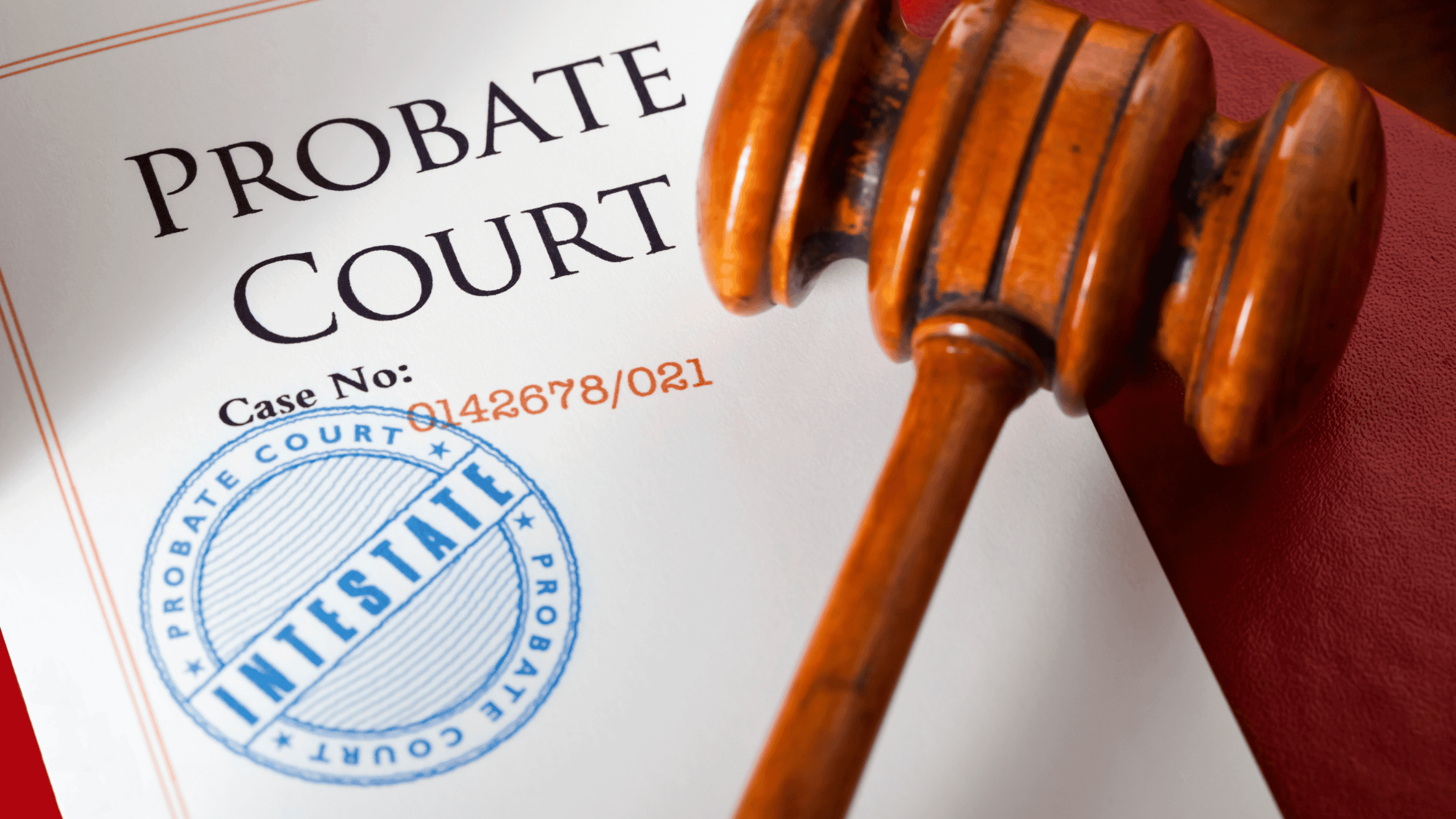
🧾 Ontario Probate Process Explained: A Step-by-Step Guide

📘 Introduction

When a loved one passes away, the emotional toll can be overwhelming. But alongside grief, there are legal responsibilities that fall on family members — especially if you’ve been named the executor of their will. One of the most important (and misunderstood) tasks is probate.

If you’re wondering how to navigate this process legally and efficiently, you’re in the right place. In this guide, we’ll walk you through the Ontario probate process, from understanding what probate is, to how to apply, how long it takes, and what it costs. We’ll also explain when hiring a probate lawyer Ontario is not just helpful — but crucial.

⚖️ What Is Probate in Ontario?

Probate is a legal process that confirms whether a deceased person’s will is valid, and gives the executor the legal authority to manage the estate.

In Ontario, probate is officially called a Certificate of Appointment of Estate Trustee — either with or without a will.

You may need probate if:

  • The deceased had significant assets in their name (bank accounts, investments, property)
  • A financial institution requires it before releasing funds
  • There is no will, or the will is being challenged

A probate lawyer Ontario can determine whether probate is needed for your specific situation.

🏠 Probate and Real Estate: What You Need to Know

One of the most complex parts of probate in Ontario involves real estate. If the deceased owned a home in their sole name, it typically cannot be sold or transferred until probate is granted. Title offices and banks require a Certificate of Appointment to prove that the executor is authorized to act.

For executors, this can create stress — especially when there are mortgage payments, taxes, or maintenance costs piling up. A probate lawyer Ontario can assist with:

  • Drafting executor’s directions for listing the property
  • Working with realtors and appraisers
  • Communicating with the land registry office
  • Ensuring smooth title transfers or sales after probate

If you’re unsure whether probate is needed to deal with a property, it’s wise to consult legal counsel before listing or making commitments.

💡 Common Misconceptions About Probate in Ontario

Many people are confused by what probate is — or assume it’s always required. Let’s bust a few myths:

Myth #1: If there’s a will, probate is automatic.
Truth: Wills still need to be validated by the court to give the executor legal authority.

Myth #2: Joint accounts and jointly owned property always avoid probate.
Truth: Yes, in many cases, but not always — particularly if “right of survivorship” is not clearly indicated.

Myth #3: Probate takes years.
Truth: Simple estates with proper documentation can often be probated in 6 to 8 weeks.

A quick call with a probate lawyer Ontario can clarify your specific situation and save weeks (or months) of confusion.

🧓 When a Loved One Dies Without a Will

Dying without a will is called intestacy, and it changes how probate works. Instead of following the instructions of a will, the estate is distributed according to Ontario’s intestate succession laws.

This means:

  • The spouse may not inherit everything
  • Adult children and other relatives may have claims
  • A neutral person must apply to become the estate trustee without a will

If there are multiple potential estate trustees, disputes can arise. This is where a probate lawyer Ontario is especially helpful — they’ll assist with court filings, family consent forms, and representation if needed.

🧾 Probate and Taxes: What Executors Must Know

Many executors are surprised to learn they’re responsible for more than just distributing money. Under Ontario law, you must also:

  • File final income tax returns for the deceased (T1)
  • Pay any taxes owed by the estate
  • File an Estate Information Return within 180 days after probate is granted
  • Possibly file a Trust Return (T3) if the estate earns income during administration

Mistakes in tax reporting can lead to penalties or audits, and executors may even be personally liable if taxes aren’t paid. A skilled probate lawyer Ontario will often collaborate with accountants to make sure nothing is missed.

🧭 How to Avoid Probate Altogether (With Estate Planning)

The best way to make probate easier is to plan ahead. Some strategies to avoid or minimize probate include:

  • Holding assets jointly with right of survivorship
  • Naming beneficiaries directly on accounts (e.g., RRSPs, TFSAs)
  • Using multiple wills (personal vs. business assets)
  • Creating inter vivos trusts (living trusts)

While these tools aren’t suitable for everyone, speaking with an estate planning professional or probate lawyer Ontario before death can reduce stress, delays, and costs for your loved ones.

📝 Step-by-Step: How to Apply for Probate in Ontario

Here’s a simplified breakdown of the full application process:

Step 1: Determine Whether Probate is Required

Not every estate requires probate. Small estates (under $150,000) may qualify for the Simplified Probate Process. If property is held jointly or designated to a beneficiary (like a life insurance policy), probate may not be needed.

Still unsure? A probate lawyer Ontario can review the estate and advise.

Step 2: Gather Key Documents

You’ll need:

  • Original death certificate
  • Original will (if available)
  • List of assets and liabilities
  • Proof of executor identity
  • Completed court forms

Missing or inconsistent documents can cause serious delays.

Step 3: Complete Court Forms

The core forms include:

  • Form 74.4 or 74.1: Application for Certificate of Appointment
  • Form 74.13: Affidavit of Service
  • Form 74.6: Affidavit of Execution (for the will)
  • Estate Information Return (within 180 days after the certificate is issued)

Filling these out incorrectly can cause rejection. This is where a probate lawyer Ontario can ensure compliance and speed.

Step 4: File the Application with the Superior Court of Justice

Submit all completed forms and the probate application package to the court in the jurisdiction where the deceased lived. You’ll also pay the estate administration tax (commonly called the probate fee).

Step 5: Wait for Court Review

Processing time varies, but expect 6–8 weeks in straightforward cases. It may take longer if:

  • The will is contested
  • The court needs clarification
  • Required documents are missing

During this period, the estate is “frozen.” Executors can’t legally sell property or access funds until probate is granted.

Step 6: Certificate of Appointment Issued

Once approved, the court issues a Certificate of Appointment of Estate Trustee. This document gives you legal authority to act on behalf of the estate.

A probate lawyer Ontario can help with next steps, including estate administration, taxes, and distribution to beneficiaries.

💰 Cost of Probate in Ontario

The main cost is the Estate Administration Tax (EAT), calculated as follows:

Estate ValueProbate Fee
First $50,000$0
Over $50,000$15 per $1,000

Example:
For a $400,000 estate, the probate fee =
($400,000 – $50,000) ÷ $1,000 × $15 = $5,250

There may also be:

  • Legal fees
  • Appraisal fees (for real estate, investments, etc.)
  • Court form fees
  • Accounting or tax filing costs

Working with a probate lawyer Ontario can reduce errors and avoid unnecessary costs.

How Long Does Probate Take in Ontario?

The total timeline depends on the complexity of the estate:

Type of CaseTypical Timeframe
Simple estate6–8 weeks
Small estate (under $150K)3–6 weeks
Contested or complex6 months to 1+ year

Common delays include:

  • Errors in paperwork
  • Incomplete asset information
  • Beneficiary disputes
  • Missing or invalid will

Hiring a probate lawyer Ontario early can prevent costly delays.

🔄 What Happens After Probate Is Granted?

Once you have the certificate, your duties as an executor include:

  • Paying debts and taxes
  • Notifying beneficiaries
  • Selling or transferring assets
  • Keeping accurate records
  • Filing estate tax returns
  • Distributing inheritances

Executors are personally liable for mistakes. That’s why many choose to work with a probate lawyer Ontario who can guide them through post-probate estate administration.

📍 Special Notes for Shelburne and Dufferin County

If you live in or are handling probate in Shelburne, Orangeville, or Dufferin County, your application will be filed through the Superior Court of Justice in Orangeville.

Local probate rules apply, and every courthouse has its own document handling procedures. A probate lawyer Ontario familiar with your local court can ensure your application is processed correctly and quickly.

🧠 FAQs About Probate in Ontario

Q: What happens if there is no will?

You can still apply for probate — it’s called applying for Certificate of Appointment without a Will. The court will decide who the estate trustee will be.

Q: Do I need a lawyer to apply for probate?

Technically no, but it’s strongly recommended — especially for larger estates. Mistakes can delay or jeopardize the estate. A probate lawyer Ontario ensures everything is done right.

Q: Can probate be avoided?

Yes, partially. Joint ownership and beneficiary designations (like RRSPs or insurance policies) often bypass probate. Proper estate planning can reduce or eliminate the need.

Q: Who pays for probate?

Probate fees and legal costs are paid from the estate, not the executor’s personal funds.

👨‍⚖️ When Should You Call a Probate Lawyer?

You should speak with a probate lawyer Ontario if:

  • You’re unsure if probate is required
  • There are multiple wills
  • The estate is large or complex
  • Beneficiaries are disputing the will
  • There are foreign assets involved
  • You want peace of mind as an executor

An experienced lawyer will help with everything from paperwork to court filings, taxation, and estate distribution — saving you stress and liability.

📞 Need Help with Probate in Shelburne or Ontario?

At PK Law & Associates, we’ve helped hundreds of families successfully navigate probate — from simple estates to complex, contested matters. Based in Shelburne, we’re here to guide you every step of the way.

Contact our trusted probate lawyer Ontario team today for:

  • Free consultation
  • Flat-rate or transparent billing options
  • Step-by-step legal support

📍 PK Law & Associates
476 Black Cherry Crescent, Shelburne, ON
📞 +1 (416)-898-7529
📧 [email protected]