
👨‍👩‍⚖️ Understanding Child Custody and Access Rights in Ontario

📘 Introduction

When parents separate or divorce, one of the most emotional and complex issues they face is determining who will care for their children — and how. Understanding child custody Ontario is crucial for both parents to ensure their child’s best interests are protected and that legal rights are respected.

In Ontario, custody and access laws are designed to focus on the child’s well-being, safety, and stability — not the parents’ disagreements. Whether you’re seeking joint custody, primary custody, or negotiating parenting time, knowing your legal options can make the process smoother and less stressful.

This guide breaks down everything you need to know about child custody Ontario, from the types of custody to how courts decide, what “access” really means, and how parenting plans can help you move forward peacefully.

⚖️ What Does Child Custody Mean in Ontario?

The term “custody” doesn’t just mean where a child lives. In Ontario family law, custody refers to the right and responsibility to make important decisions about a child’s life.

This includes choices about:

  • Education (school and extracurriculars)
  • Health care and medical decisions
  • Religious upbringing
  • General welfare and lifestyle

Parents with custody are legally obligated to act in the child’s best interests, a guiding principle under Ontario’s Children’s Law Reform Act (CLRA) and the Divorce Act (for married parents).

🧩 Types of Child Custody in Ontario

There are several forms of custody recognized in Ontario, and each determines how decision-making is shared between parents. Understanding these is key to navigating child custody Ontario.

1. Sole Custody

One parent has the exclusive right to make all major decisions about the child’s upbringing.

  • The child usually lives primarily with that parent.
  • The other parent may still have access (visitation).
  • Courts grant sole custody when cooperation is difficult or one parent poses safety concerns.

2. Joint Custody

Both parents share decision-making authority equally.

  • It requires strong communication and cooperation.
  • The child may live primarily with one parent or spend equal time with both.
  • Common in amicable separations where parents work well together.

3. Shared Custody

This refers to time-sharing, where the child spends at least 40% of the time with each parent.

  • Affects both parenting schedules and child support calculations.
  • Can work well when parents live close by and maintain consistent routines.

4. Split Custody

Used when parents have more than one child — each parent has primary custody of at least one child.

  • Courts rarely recommend this unless it aligns with each child’s preference and well-being.

👨‍👩‍👧 Understanding “Access” (Parenting Time)

While custody is about decision-making, access (now often called parenting time) refers to when and how often a parent spends time with the child.

Access can include:

  • Physical visits: Weekends, holidays, or shared schedules.
  • Virtual contact: Phone, video calls, or messaging.
  • Information access: The right to receive updates about the child’s health, schooling, and well-being.

Even if one parent has sole custody, the other parent typically has access rights — unless there are safety or abuse concerns.

Access ensures the child maintains a relationship with both parents, which Ontario courts generally view as beneficial.

⚖️ How Ontario Courts Decide Custody and Access

The court’s primary goal in child custody Ontario cases is to protect the child’s best interests. The judge considers factors such as:

  • The emotional bond between child and each parent
  • Each parent’s ability to provide stability, care, and love
  • The child’s age, health, and special needs
  • History of domestic violence or abuse
  • Each parent’s willingness to cooperate and support the child’s relationship with the other parent

Contrary to popular belief, Ontario courts don’t automatically favor mothers. Custody is based on parenting capacity — not gender.

🧠 The “Best Interests of the Child” Principle

Section 24 of Ontario’s Children’s Law Reform Act outlines that the child’s physical, emotional, and psychological well-being come first.

When deciding child custody Ontario, courts prioritize:

  • A safe, loving environment
  • Minimal exposure to parental conflict
  • Consistency in schooling and community
  • The child’s own wishes (especially for older children)

Parents who demonstrate cooperation and prioritize their child’s needs often receive more favorable custody and access arrangements.

🧾 Parenting Plans in Ontario

A parenting plan is a written document that outlines how parents will share responsibilities after separation. It’s one of the best tools for avoiding disputes and creating structure.

A strong parenting plan under child custody Ontario law includes:

  • Where the child lives and when
  • Schooling and extracurricular schedules
  • Decision-making responsibilities
  • Communication methods between parents
  • Vacation and holiday arrangements

Parenting plans can be created privately or through mediation. Once approved by a court, they become legally enforceable.

💬 Common Misconceptions About Custody

There are several myths about child custody Ontario that can mislead parents:

  • Myth 1: “Mothers always get custody.”
    ❌ Custody depends on parenting ability and cooperation, not gender.
  • Myth 2: “Joint custody means 50/50 time.”
    ❌ Joint custody is about decision-making, not time division.
  • Myth 3: “If I pay child support, I get automatic access.”
    ❌ Access is based on the child’s best interests, not payment status.
  • Myth 4: “Older kids can choose where to live.”
    ✅ Courts may consider their wishes, but the final decision rests on what’s best for the child.

🧑‍⚖️ When You Need to Go to Family Court

While many custody disputes are resolved through mediation or separation agreements, sometimes court intervention is necessary.

You may need to apply to family court if:

  • Parents can’t agree on custody or access.
  • There are safety concerns (abuse, neglect, addiction).
  • One parent denies access without cause.
  • You need to enforce or modify an existing custody order.

Family court judges in Ontario have broad authority to issue temporary or final custody orders. Always keep documentation (emails, texts, parenting schedules) to support your position.

⚠️ When Custody Orders Can Be Changed

Circumstances change — and so can custody orders. Under child custody Ontario, you can apply to vary (change) an order if:

  • One parent relocates.
  • The child’s needs or school situation changes.
  • There’s evidence of neglect, abuse, or lack of care.

The court will review whether the change benefits the child’s overall well-being.

🧩 Role of Mediation in Custody Disputes

Mediation offers a less adversarial alternative to court. A neutral mediator helps parents communicate, identify priorities, and agree on a parenting plan.

Benefits include:

  • Faster resolution
  • Less emotional stress
  • Lower legal costs
  • More control over the outcome

In child custody Ontario, courts often encourage mediation before formal hearings — especially when both parents are willing to cooperate.

🧒 Child Custody and Support: How They Interact

Custody arrangements affect child support obligations. The more time a child spends with each parent, the more the support calculation shifts.

In shared custody (40%+ time with each parent), the Federal Child Support Guidelines use a “set-off” method — each parent’s obligation is calculated, and the difference is paid by the higher-earning parent.

It’s crucial to handle both custody and support together, since they directly influence each other in Ontario family law.

📜 Grandparent Access Rights in Ontario

Under Ontario law, grandparents can also apply for access if it benefits the child. Courts assess the relationship history and overall stability when considering these applications.

While grandparents don’t have automatic rights, strong emotional bonds and consistent involvement can lead to court-approved access schedules.

🧠 Tips for Co-Parenting Successfully

Once custody is settled, the real challenge begins — maintaining cooperation.

  • Communicate respectfully (email or text for clarity).
  • Avoid discussing disputes in front of the child.
  • Keep routines consistent across both homes.
  • Put your child’s comfort above personal conflicts.
  • Document changes or missed visits calmly and factually.

Successful co-parenting reduces stress and strengthens the child’s emotional well-being.

📍 Child Custody in Shelburne and Dufferin County

Families in Shelburne, Orangeville, and Dufferin County handle custody matters through the Orangeville Family Court. Working with a local family lawyer ensures your case is filed correctly, documents are complete, and timelines are met.

A local professional familiar with child custody Ontario procedures can also guide you through mediation, negotiation, or formal hearings.

⚖️ Enforcing Custody and Access Orders in Ontario

Even after a court makes an order for custody or access, challenges sometimes arise when one parent fails to comply. Understanding how to enforce a custody order is an important part of managing child custody Ontario.

If a parent refuses to follow court-ordered parenting time or custody arrangements, the other parent can:

  • File a motion for enforcement in family court.
  • Request that the court order make-up parenting time.
  • In severe cases, ask the court to change custody or access based on consistent non-compliance.

Courts take violations seriously because they disrupt the child’s stability. The focus remains on restoring normalcy for the child, not punishing the parent. In some situations, the court may also require counseling or parenting coordination to help parents communicate better.

When enforcing child custody Ontario orders, keep detailed records — texts, emails, and notes of missed visits — to demonstrate patterns of non-cooperation.

🧭 Relocation and Custody — What Happens If a Parent Moves?

A common issue in child custody Ontario cases arises when one parent wants to move to a new city or province. Under Ontario law, a parent who has custody or shared parenting time must give written notice of their intention to move if it affects the other parent’s time with the child.

The notice should include:

  • The proposed move date
  • The new address
  • A proposed new parenting schedule

The other parent then has 30 days to object in writing. If there’s disagreement, the court decides whether the move is in the child’s best interests, not just the parent’s convenience.

Factors the court considers include:

  • The reason for the move (employment, safety, family support)
  • Impact on the child’s education and social life
  • The child’s relationship with both parents
  • The feasibility of maintaining contact after relocation

Parents should never relocate a child without proper notice or consent — doing so may violate the custody order and lead to legal consequences.

💬 The Emotional Impact of Custody Disputes on Children

While the legal process is important, the emotional effects on children can be profound. In child custody Ontario, the courts recognize that prolonged conflict between parents often harms children more than the separation itself.

Children exposed to constant arguments may experience:

  • Anxiety or guilt over divided loyalties
  • Poor school performance
  • Withdrawal from social activities
  • Sleep or behavioral problems

Parents can help by maintaining consistent routines, avoiding negative talk about the other parent, and seeking family counseling if needed.

In some cases, the court may appoint a social worker, psychologist, or Office of the Children’s Lawyer (OCL) to provide reports or represent the child’s perspective. These professionals help ensure that the child’s emotional needs remain central in every decision about child custody Ontario.

👩‍⚖️ When Domestic Violence Affects Custody Decisions

Domestic violence or abuse — whether physical, emotional, or psychological — significantly impacts how judges decide child custody Ontario cases. The court’s duty is to protect the child from any form of harm.

If abuse is alleged, the court may:

  • Order supervised access visits
  • Require parenting assessments
  • In severe cases, restrict or remove access rights

Parents with safety concerns should document incidents carefully and seek immediate legal advice. Ontario courts also provide emergency options, such as restraining orders and exclusive possession of the home, to ensure the child’s safety.

🧠 How Child Custody Works for Unmarried Parents

Many families in Ontario include parents who were never married. The good news is that the law treats married and unmarried parents equally under the Children’s Law Reform Act.

If parents were never married, either one can apply for custody or access. The process for child custody Ontario is the same — the court still bases its decision on the best interests of the child.

Unmarried fathers may need to establish paternity (if not already listed on the birth certificate) before pursuing custody or access rights. This can be done through a court declaration or DNA testing if necessary.

📋 Steps to Apply for Custody in Ontario

If parents cannot agree privately or through mediation, one parent can apply to the Superior Court of Justice (Family Court) or Ontario Court of Justice.

Here’s a general outline of the process under child custody Ontario:

  1. File an Application (Form 8) – outlining custody and access requests.
  2. Serve the other parent with court documents.
  3. Attend a case conference to discuss issues and possible settlement.
  4. Exchange financial disclosure if child support is also being decided.
  5. Proceed to motion or trial if no agreement is reached.

Having a family lawyer ensures that your forms, timelines, and arguments are properly prepared, reducing the risk of delays or unfavorable outcomes.

🏛️ Legal Support for Custody Cases in Ontario

Family law can feel intimidating, especially when emotions run high. That’s why working with an experienced family lawyer who understands child custody Ontario can make a world of difference.

A lawyer can:

  • Explain your custody and access rights clearly
  • Help draft or review parenting plans
  • Represent you in mediation or court
  • Ensure your child’s needs remain the top priority

In Shelburne and Dufferin County, PK Law & Associates provides compassionate, practical representation for families navigating separation, custody disputes, and parenting arrangements.

💡 Final Thought: Focus on the Future, Not the Fight

Every child custody Ontario case is different — but one truth remains the same: children thrive when both parents focus on their well-being rather than their disagreements.

By understanding the law, communicating respectfully, and keeping the child’s best interests at heart, families can move from conflict to cooperation.

Even during difficult transitions, Ontario’s legal system — and professionals like PK Law & Associates — are here to guide you every step of the way toward stability, security, and peace for your family.

🧾 Conclusion

Navigating child custody Ontario is never easy, but understanding your rights and responsibilities can make the process less overwhelming. Whether you’re working toward a peaceful co-parenting plan or dealing with a complex custody dispute, knowledge and preparation are your best allies.

At PK Law & Associates, based in Shelburne, we help families across Ontario find practical, compassionate legal solutions for custody, access, and support matters. Our goal is to protect your parental rights while keeping the child’s best interests front and center.

📍 PK Law & Associates
476 Black Cherry Crescent, Shelburne, ON
📞 +1 (416)-898-7529
📧 [email protected]

💼 5 Contract Clauses That Could Make or Break Your Business (And Most Owners Miss Them)

💼 Top 5 Contract Clauses Ontario Business Owners Must Understand to Protect Their Company

📘 Introduction

Every business — whether it’s a local shop in Shelburne, a construction company, or a growing tech startup — runs on contracts. From supplier agreements and client deals to employment offers and leases, contracts are the backbone of your legal and financial protection.

Yet, most business owners sign contracts without fully understanding the fine print. One missing clause or vague definition could cost thousands in legal disputes or lost revenue.

This guide breaks down the top 5 contract clauses every business owner should understand, based on Ontario law. You’ll learn what they mean, why they matter, and how to protect your company from costly mistakes.

💬 The Hidden Risk of Boilerplate Contracts

Many Ontario business owners use “template” or “boilerplate” contracts they find online. While these templates seem convenient, they often miss crucial Ontario-specific legal clauses or use outdated terms that don’t comply with current laws.

For example, an American-style limitation of liability clause may not hold up in an Ontario court. Or a force majeure clause written before 2020 might not clearly cover pandemics or supply chain disruptions.

By relying on generic templates, business owners expose themselves to unnecessary risk. A small investment in a professionally drafted agreement from a business lawyer in Ontario ensures that your contracts reflect current legal standards and are enforceable if disputes arise.

🧭 Negotiating Contract Clauses the Right Way

Negotiating isn’t about winning — it’s about balance. The most effective Ontario contracts protect both parties fairly, creating a stable, long-term business relationship.

When discussing key terms, focus on:

  • Clarity: Ambiguous language leads to misinterpretation.
  • Fairness: A one-sided agreement often backfires.
  • Flexibility: Build in realistic timelines and exit options.
  • Written amendments: Never rely on verbal promises.

Negotiation is your chance to shape your future relationship. Understanding contract clauses Ontario gives you confidence and leverage at the bargaining table.

⚠️ Enforcing a Contract in Ontario

Even with perfect contracts, issues can still arise when the other party fails to perform. Enforcement in Ontario generally follows three steps:

  1. Review the dispute resolution clause — this often outlines whether to use negotiation, mediation, or court.
  2. Send a formal notice of breach — this written notice must describe how the other party violated the contract.
  3. Seek enforcement through court or arbitration — the Ontario Small Claims Court handles disputes under $35,000, while higher-value cases go to the Superior Court of Justice.

Having well-drafted clauses makes enforcement smoother because courts give greater weight to precise, written agreements.

💼 Why Every Small Business Needs a Contract Review Lawyer

Many entrepreneurs in Shelburne, Orangeville, and across Dufferin County assume that legal review is only for “big” companies. The truth is, small businesses face the same risks — sometimes greater — because a single bad deal can seriously impact cash flow.

A contract review lawyer ensures your interests are protected before you sign. They can:

  • Identify risky or one-sided clauses.
  • Add protection clauses you didn’t know you needed.
  • Translate legal jargon into plain English.
  • Prevent future legal battles through proactive drafting.

It’s always cheaper to prevent a dispute than to resolve one in court. A short consultation could save you years of stress and thousands in costs.

🏙️ Local Insight: How Shelburne Businesses Can Benefit from Clear Contracts

Shelburne and nearby communities like Orangeville are home to hundreds of small and family-owned businesses — from real estate and construction to retail and manufacturing. These businesses rely on handshake deals and trust, but as operations grow, so do risks.

Clear, well-drafted contracts protect your relationships and help your company grow sustainably. Whether you’re hiring subcontractors, signing a lease, or providing services, working with a lawyer familiar with contract clauses Ontario ensures that your business relationships are built on solid legal ground.

At PK Law & Associates, we’ve helped many local business owners in Shelburne avoid disputes by tightening their contracts and reviewing their existing agreements.

🧩 The Bottom Line: Contracts Are More Than Legal Documents

A contract isn’t just a piece of paper — it’s a roadmap for how two businesses work together. Each clause represents a potential future scenario, from how you’ll get paid to what happens if things go wrong.

Ignoring a single clause today could cost thousands tomorrow. Understanding and negotiating key contract clauses Ontario gives you peace of mind and the power to focus on what really matters — running and growing your business.

🧾 1. Termination Clause — How and When the Contract Ends

The termination clause sets out the conditions under which either party can end a contract. It’s one of the most overlooked — yet most powerful — contract provisions.

A strong termination clause defines:

  • Notice period: How much advance notice is required (e.g., 30 or 60 days).
  • Termination for cause: When one party can end the contract if the other breaches it.
  • Termination for convenience: Allows one party to exit the contract for any reason, often with notice.
  • Automatic renewal: Whether the contract renews if no action is taken.

Without a clear termination clause, you might get trapped in an agreement that no longer benefits you — or lose income with no warning.

Example:
A Shelburne marketing firm signed a 12-month client contract without specifying termination notice. The client canceled after two months, leaving the firm with unpaid work. Because the termination clause was vague, the firm couldn’t recover its losses in court.

💡 Pro Tip: Always define the termination procedure, notice period, and any penalties for early termination.

⚖️ 2. Liability and Indemnity Clause — Who’s Responsible When Things Go Wrong

One of the most complex — and critical — provisions in any contract is the liability and indemnity clause. It determines who pays if something goes wrong.

Here’s what it typically covers:

  • Limitation of liability: Caps the amount one party can claim for damages (e.g., up to the total contract value).
  • Indemnification: One party agrees to compensate the other for specific losses (e.g., third-party lawsuits).
  • Exclusions: Defines what each party is not responsible for (e.g., consequential or indirect losses).

Why it matters: Without this clause, your business could be exposed to massive financial risk.

Example:
A construction subcontractor in Dufferin County agreed to a contract that lacked a limitation of liability clause. When an accident occurred, the general contractor demanded $150,000 in damages — far more than the subcontractor had earned.

Key takeaway: Protect your company by limiting liability to a reasonable amount and clarifying indemnity responsibilities. If you’re unsure, get an Ontario contract review lawyer to assess your risk before signing.

📜 3. Confidentiality and Non-Disclosure Clause — Protecting Your Business Secrets

In today’s competitive market, information is everything. A confidentiality (NDA) clause ensures that sensitive business information stays private — even after the contract ends.

Confidentiality clauses typically cover:

  • Business strategies and pricing
  • Customer lists
  • Financial data
  • Intellectual property (IP)
  • Trade secrets

A strong confidentiality clause should define:

  • What qualifies as confidential information
  • Who can access it and for what purpose
  • How long confidentiality obligations last

Example:
A Shelburne software developer shared proprietary code with a contractor but didn’t include an NDA clause. Months later, a competing company launched a similar product. Because there was no confidentiality agreement, the developer had no legal recourse.

Pro Tip: Add confidentiality clauses to every agreement involving access to sensitive business or client information — even short-term contracts or partnerships.

📅 4. Dispute Resolution Clause — Avoiding Costly Court Battles

Disputes happen — even in well-structured business relationships. That’s where the dispute resolution clause comes in.

This clause determines how conflicts will be handled if things go wrong. It can specify:

  • Negotiation first: Parties must try to resolve issues informally before escalating.
  • Mediation or arbitration: Alternatives to court that save time and money.
  • Jurisdiction: Which province or city’s laws apply (important for multi-province businesses).

Without this clause, disputes can escalate to expensive litigation in the wrong court — often far from your business location.

Example:
An Orangeville business owner signed a supplier agreement that didn’t specify jurisdiction. When a dispute arose, the supplier sued in British Columbia, forcing the owner to hire out-of-province lawyers.

💡 Pro Tip: Always ensure Ontario is listed as the jurisdiction in your contracts to keep disputes local and manageable.

🧩 5. Payment and Late Fee Clause — Ensuring You Get Paid on Time

Cash flow is the lifeblood of your business — but without a clear payment clause, getting paid can become a nightmare.

This clause defines:

  • Payment terms (e.g., Net 30 or Net 60 days)
  • Deposits or milestones for long-term projects
  • Late payment penalties: Interest or fees for overdue invoices
  • Preferred payment methods: Cheque, e-transfer, or direct deposit

Without these terms, clients can delay payments indefinitely, creating financial strain.

Example:
A contractor completed a $20,000 project but didn’t include a late payment clause. The client delayed payment for four months, leaving the contractor without legal leverage to claim interest.

Pro Tip: Include a clause requiring interest (e.g., 2% per month) on late payments. It motivates clients to pay on time and compensates you for delays.

🧠 Other Clauses Worth Knowing

While these five are essential, every Ontario business owner should also understand:

  • Force Majeure: Protects against liability during unforeseen events (e.g., pandemics, natural disasters).
  • Assignment Clause: Controls whether the contract can be transferred to another party.
  • Entire Agreement Clause: Prevents verbal side deals or misunderstandings.
  • Intellectual Property Rights: Ensures ownership of your work or creations remains with you.

Each of these clauses, when properly written, reduces uncertainty and strengthens your legal position.

🧑‍⚖️ Why Contract Clauses Matter for Ontario Businesses

Contracts aren’t just paperwork — they’re your safety net. A well-written contract protects profits, defines expectations, and prevents disputes before they start.

In Ontario, courts uphold written contracts strictly. That means if a clause is vague, missing, or poorly drafted, the judge won’t rewrite it for you. This is why business owners in Shelburne, Orangeville, and across Dufferin County should always have an experienced lawyer review major agreements before signing.

📂 Case Study: The Contract That Cost a Business $50,000

A local supplier in Shelburne signed a distribution contract without a limitation of liability or termination clause. When the buyer canceled orders unexpectedly, the supplier was left with unsold inventory and unpaid invoices.

In court, the supplier couldn’t recover the losses because the contract didn’t include protection clauses. A simple one-hour review by a contract lawyer Ontario could have saved thousands.

🧾 Checklist: What to Do Before Signing Any Contract

  1. Read every clause carefully — not just the first page.
  2. Ask questions about unclear terms, especially around payment and liability.
  3. Confirm jurisdiction (Ontario) and dispute resolution steps.
  4. Get professional review for long-term or high-value contracts.
  5. Keep signed copies and all correspondence for records.

📞 Conclusion: Protect Your Business Before It’s Too Late

Understanding the top 5 contract clauses isn’t just about legal literacy — it’s about protecting your business’s future. Every word in a contract can affect your rights, your reputation, and your revenue.

At PK Law & Associates, we help Ontario business owners draft, review, and negotiate contracts that work in their favor. Whether you’re a startup, contractor, or established company, our legal team ensures your agreements are airtight and enforceable.

📍 PK Law & Associates
476 Black Cherry Crescent, Shelburne, ON
📞 +1 (416)-898-7529
📧 [email protected]

🧓 What Happens If Someone Dies Without a Will in Ontario?

📘 Introduction

Few situations cause as much confusion — and family stress — as a loved one dying without a will. In Ontario, this triggers a legal process known as intestacy, where the province decides how assets are distributed according to strict succession laws.

If you’re a spouse, child, or close relative wondering what happens next, this guide explains everything about probate without a will Ontario — from who can apply for probate, to how property, money, and assets are divided, and what steps you should take right now.

⚖️ Understanding Probate Without a Will (Intestacy in Ontario)

Probate confirms a person’s legal authority to manage an estate. When there’s no will, no executor has been appointed — so someone must apply to the court to become the Estate Trustee Without a Will.

This process — probate without a will Ontario — ensures that:

  • The right person manages the estate.
  • Debts and taxes are paid.
  • Remaining assets are distributed fairly under Ontario’s Succession Law Reform Act (SLRA).

Unlike a will, intestacy removes personal choice. The court follows provincial law — not family promises or verbal wishes.

🧾 Step 1: What to Do Immediately After Death

Before starting probate, handle these urgent matters:

  1. Register the death and obtain the death certificate.
  2. Locate any potential will or estate planning documents.
  3. Secure property, valuables, and bank accounts to prevent misuse.
  4. Identify and list assets, debts, and beneficiaries.

If no will is found, family members can begin the probate without a will Ontario process by applying to the Superior Court of Justice.

👩‍⚖️ Step 2: Who Can Apply for Probate Without a Will?

In Ontario, the court appoints an Estate Trustee Without a Will (formerly called an Administrator). Applicants are prioritized based on relationship to the deceased:

  1. Surviving spouse or common-law partner
  2. Adult children
  3. Parents
  4. Siblings
  5. Nieces/nephews
  6. Other next of kin

Applicants must file an application for a Certificate of Appointment of Estate Trustee Without a Will, showing they’re the best person to manage the estate.

The court may require a surety bond (often equal to the estate’s value) to protect beneficiaries if errors occur. This is one of the most challenging parts of probate without a will Ontario, as bonds can be expensive and time-consuming to secure.

🧑‍💼 Step 3: Completing the Application Forms

Applying for probate without a will Ontario involves completing several legal forms:

FormDescription
Form 74.14Application for Certificate of Appointment Without a Will
Form 74.15Affidavit Confirming Relationship to the Deceased
Form 74.13Affidavit of Service (confirming notice to beneficiaries)
Estate Information ReturnLists assets, filed within 180 days after probate is granted

Accuracy is critical — incomplete or incorrect forms can delay probate by months.

🧮 Step 4: Calculating and Paying the Probate Fee

The Estate Administration Tax (EAT) applies to both wills and intestate estates.

  • $0 on the first $50,000 of the estate’s value
  • $15 per $1,000 on anything above $50,000

Example:
An estate worth $400,000 = ($400,000 – $50,000) ÷ 1,000 × $15 = $5,250

Executors (or estate trustees) must pay this when applying for probate. It’s an essential step in probate without a will Ontario, as court processing won’t begin until the tax is paid.

🗂️ Step 5: How the Estate Is Distributed

When there’s no will, the Succession Law Reform Act decides who inherits.

🧍‍♂️ If the deceased had a spouse but no children:

The spouse inherits everything.

👨‍👩‍👧 If there’s a spouse and children:

  • The spouse receives the first $350,000 (as of 2022 update).
  • The remaining balance is split:
    • 1 child → 50% to spouse, 50% to child.
    • 2+ children → 1/3 to spouse, 2/3 divided among children.

👨‍👩‍👧‍👦 If no spouse but children exist:

Children share the entire estate equally.

👩‍👩‍👧 If no spouse or children:

Inheritance passes to parents → siblings → nieces/nephews → extended relatives.

If no next of kin can be found, the estate becomes property of the Ontario government (escheat).

This strict formula often leads to emotional disputes — especially when family members believe “Dad wanted something different.” Unfortunately, without a will, intentions can’t override law.

🧠 Step 6: Handling Debts, Taxes, and Real Estate

Before distributing any inheritance, the estate trustee must:

  • Pay outstanding debts, loans, and credit cards.
  • File the deceased’s final tax return.
  • Pay any capital gains tax on property or investments.
  • Sell or transfer real estate if necessary.

Only after debts and taxes are cleared can assets be distributed. Mishandling this step during probate without a will Ontario can expose the trustee to personal liability.

⚠️ Challenges Families Often Face

Dying intestate often causes confusion and tension among relatives. Common issues include:

  • Multiple people claiming to be estate trustee.
  • Disputes over who should inherit certain assets.
  • Difficulty locating all heirs.
  • Securing the required bond.

These situations can delay probate for months. Families can reduce conflict by agreeing on a single, trusted administrator and seeking legal guidance early in the process.

🧭 How Long Does Probate Without a Will Take in Ontario?

Timelines depend on estate complexity, but typical estimates are:

Estate TypeAverage Duration
Simple (no disputes)3–6 months
Moderate (bond or valuation required)6–12 months
Contested or complex1–2+ years

Courts may also take longer if documentation is incomplete. Professional help speeds up probate without a will Ontario, especially for estates involving multiple properties or beneficiaries.

💼 Can Probate Without a Will Be Avoided?

Unfortunately, no — when there’s no will, probate is almost always required. Without a legal document naming an executor, the court must appoint one to protect creditors and beneficiaries.

However, estate planning can prevent this situation entirely. Creating a valid will and naming an executor ensures your assets are distributed according to your wishes — not Ontario’s default formula.

🧾 Executor Duties (Estate Trustee Without a Will)

Once appointed, the estate trustee must:

  • Secure and protect estate assets.
  • Maintain records and receipts.
  • Pay debts and taxes.
  • Communicate regularly with beneficiaries.
  • Distribute remaining funds fairly.

They act as both administrator and fiduciary — personally responsible for errors.

🧓 Real-Life Example: A Family Without a Will

A Shelburne couple, both in their 70s, had never created wills. When the husband passed away suddenly, the wife discovered that their jointly owned home didn’t cover all assets — her husband had separate investments worth over $300,000 in his name.

Because there was no will, she had to apply for probate without a will Ontario, pay the estate tax, and post a $300,000 bond before accessing funds. The process took nine months — something a simple will could have avoided.

This story highlights how vital estate planning is, and how complicated probate can become without one.

🧑‍⚖️ When to Consult a Lawyer

You should seek legal advice if:

  • There are multiple family members eligible to apply.
  • The estate includes real estate or a business.
  • A bond is required.
  • Disputes are brewing among relatives.
  • You need help filing forms correctly.

A professional experienced in probate without a will Ontario can file documents, calculate taxes, and manage communication with beneficiaries — saving time and reducing emotional stress.

🧩 Local Insight: Probate Without a Will in Shelburne & Dufferin County

If you’re handling an intestate estate in Shelburne, Orangeville, or Dufferin County, your probate application will be filed through the Superior Court of Justice in Orangeville.

Local lawyers familiar with the court’s filing practices can help you avoid rejection or long delays. PK Law & Associates, based in Shelburne, provides compassionate and efficient guidance for families dealing with probate without a will Ontario, ensuring compliance and peace of mind.

🧩 The Emotional and Practical Challenges of Intestacy

When a loved one dies intestate, the legal process often adds emotional strain to an already painful situation. Families in Ontario frequently face confusion, delays, and tension because no one is sure who should take charge or how property should be divided.

The person applying for probate without a will Ontario often finds themselves caught between their legal duties and the expectations of relatives. It can be especially stressful if siblings or stepfamily members disagree on what “Mom or Dad would have wanted.”

Having a neutral professional, such as a lawyer or estate administrator, handle the paperwork and communication can reduce conflict dramatically. They can also explain why the Succession Law Reform Act requires certain outcomes — helping families accept the process and focus on healing.

💰 The Role of Estate Bonds in Intestate Probate

One of the most complicated parts of probate without a will Ontario is the surety bond requirement. Because there’s no will naming a trusted executor, the court wants financial assurance that the estate will be managed properly.

The bond acts like insurance — protecting beneficiaries and creditors if the estate trustee mismanages assets or makes costly mistakes.
However, obtaining a bond can be challenging:

  • Insurers may require a strong credit score and proof of residency.
  • Premiums can cost thousands of dollars, depending on the estate size.
  • If beneficiaries are all adults and agree, they can sometimes sign a consent waiving the bond (subject to court approval).

This step often surprises families, but it’s a vital safeguard. Having legal assistance early in the probate without a will Ontario process can help you navigate the paperwork, negotiate with insurers, and avoid delays caused by missing bond approvals.

⚠️ Common Legal Pitfalls in Probate Without a Will

Even a small oversight during probate without a will Ontario can snowball into serious problems. Common errors include:

  • Not identifying all heirs — especially when family relationships are complex or spread across provinces.
  • Distributing assets too early — before taxes, debts, and liabilities are cleared.
  • Failing to locate all estate assets — such as forgotten investments, life insurance, or safety deposit boxes.
  • Poor record-keeping — executors who fail to keep receipts and bank statements can face scrutiny or legal action from heirs.

To minimize risk, maintain a dedicated estate account, document every transaction, and provide written updates to beneficiaries. When in doubt, get professional help — the cost of advice is far less than the cost of a legal mistake.

🧠 Avoiding Family Disputes and Preserving Relationships

A death without a will often brings buried family tensions to the surface. Adult children may feel one sibling is “taking over” unfairly, while common-law partners sometimes fear being left with nothing.

In these situations, clear communication and transparency are key. Executors should explain that Ontario law — not personal preference — dictates the outcome of probate without a will Ontario. Providing updates on timelines, court filings, and distribution steps helps prevent suspicion and resentment.

When emotions run high, mediation can be a powerful alternative to litigation. It allows families to express concerns, explore compromise, and maintain relationships. Remember, probate isn’t just a legal procedure — it’s part of how families move forward after loss.

🏠 The Importance of Estate Planning: Lessons Learned

Every probate without a will Ontario case tells the same story: the absence of a will creates unnecessary hardship. While Ontario’s intestacy laws provide a fair structure, they can never replace the clarity and control of a properly drafted will.

Without a will:

  • Families face months (or years) of court delays.
  • Spouses and children may receive less than expected.
  • Estate taxes and legal costs increase.
  • Property may need to be sold to meet legal obligations.

For those reading this guide before such a situation arises — let this be motivation to act. Drafting a valid will and choosing an executor ensures your wishes are respected and your loved ones are spared the burden of navigating probate without a will Ontario.

🧾 Conclusion

Dealing with a loved one’s death is hard enough — but facing probate without a will Ontario adds complexity, legal hurdles, and family strain. Understanding how intestacy works, who can apply, and how assets are distributed can save months of confusion and costly mistakes.

Whether you’re applying to become an estate trustee or need help managing a loved one’s estate, PK Law & Associates is here to guide you through every step with compassion and professionalism.

📍 PK Law & Associates
476 Black Cherry Crescent, Shelburne, ON
📞 +1 (416)-898-7529
📧 [email protected]

🧾 How to Apply for Probate in Ontario (Forms, Deadlines & Costs)

📘 Introduction

When a loved one passes away, grief often mixes with the stress of legal and financial responsibilities. If you’ve been named an executor, one of your main duties is understanding how to apply for probate Ontario — the legal process that allows you to settle the deceased’s estate.

Probate is a court-supervised procedure that confirms a will’s validity and grants you, the executor, the legal authority to act on behalf of the estate. Without it, banks, investment firms, and the Land Registry Office may refuse to release funds or property.

This guide explains how to apply for probate Ontario in detail — including the required forms, filing deadlines, costs, and practical tips to help you avoid delays.

⚖️ What Is Probate in Ontario?

Probate is the legal process of validating a deceased person’s will and confirming the executor’s authority to manage their estate.

In Ontario, the court issues a Certificate of Appointment of Estate Trustee — either with or without a will. This document empowers the executor to access funds, sell property, pay debts, and distribute inheritance.

If you’re unsure whether you need probate, reviewing the estate structure with a lawyer or financial advisor is often the first step before learning how to apply for probate Ontario properly.

⚠️ Executor Liability: Why Accuracy Matters

Executors carry a fiduciary duty, meaning they must act in the best interest of the estate and its beneficiaries. When completing how to apply for probate Ontario, even honest mistakes can expose an executor to legal or financial liability.

For instance, distributing assets before all debts and taxes are paid can lead to personal repayment obligations. Similarly, undervaluing assets on the Estate Information Return could result in Ministry of Finance penalties or an audit. Executors who mix personal and estate funds — even temporarily — can face accusations of misconduct.

To protect yourself, maintain complete financial transparency: open a separate estate account, document every transaction, and share updates with beneficiaries regularly. Consulting a lawyer experienced in estate administration and probate filings ensures all documents meet Ontario’s legal standards and helps shield you from personal risk.

🧑‍⚖️ Handling Disputes During Probate

Unfortunately, disagreements are common during probate. Whether it’s siblings disputing inheritance amounts, beneficiaries questioning the will’s validity, or concerns about how the executor manages assets, conflict can quickly derail the how to apply for probate Ontario process.

Ontario’s court system allows for mediation before proceeding to litigation. Mediation often resolves disputes faster and with less emotional and financial strain. During mediation, all parties discuss concerns with a neutral mediator, who helps them reach a mutually acceptable agreement.

If mediation fails, the dispute may escalate to a contested probate case. This adds months or even years to the timeline. Executors should avoid engaging directly in emotionally charged disputes and instead rely on legal professionals who understand both probate law and conflict resolution.

By addressing concerns early, documenting all actions, and maintaining open communication, many families successfully complete probate without going to court.


👩‍💼 The Benefits of Professional Guidance

Even if you’re confident about how to apply for probate Ontario, working with a professional can make the process smoother and more secure. A probate lawyer or estate administrator ensures:

  • All forms are correctly completed and filed.
  • Deadlines are met without penalty.
  • Valuations are properly documented.
  • Executors comply with their legal obligations.

Professionals also act as neutral third parties, helping reduce family tension and ensuring all beneficiaries receive fair treatment. Many executors in Ontario prefer to share or delegate administrative responsibilities to a law firm, especially when dealing with large or complex estates.

This professional partnership doesn’t just save time — it provides peace of mind knowing the probate process is completed according to Ontario law and with full accountability.

🏡 Local Insight: Probate Support in Shelburne and Dufferin County

Executors in Shelburne, Orangeville, and Dufferin County often face unique challenges due to local court schedules, document requirements, and varying wait times. The Orangeville courthouse processes most probate applications in the region, meaning even a minor documentation error can cause weeks of delay.

Local firms like PK Law & Associates understand these nuances. Their familiarity with regional court clerks, filing systems, and estate procedures means applications are often smoother and faster. Whether it’s assisting with asset valuation, affidavit preparation, or completing the Estate Information Return, local guidance ensures every step of how to apply for probate Ontario is handled accurately.

Moreover, working with a Shelburne-based team means personalized service — you’re not just another file number. Local clients benefit from direct communication, flexible meetings, and compassionate support during one of life’s most difficult transitions.

🧾 Step 1: Determine If Probate Is Required

Not all estates go through probate, so before starting, determine whether it’s necessary.

✅ Probate Is Usually Required When:

  • The deceased owned real estate in their name only.
  • The estate includes large investment or bank accounts.
  • The will is unclear or contested.
  • Institutions request court certification before releasing assets.

❌ Probate May Not Be Needed When:

  • All assets are jointly owned with a spouse or family member.
  • There are direct beneficiary designations (RRSPs, TFSAs, insurance).
  • The estate qualifies as a “small estate” (under $150,000).

Ontario offers a Small Estate Certificate, which simplifies how to apply for probate Ontario for smaller estates with fewer assets.

🧑‍⚖️ Step 2: Gather Required Documents

Once you confirm probate is needed, organize all essential paperwork. Executors will need:

  • Original death certificate
  • Last will and testament (and any codicils)
  • Proof of executor identity
  • Complete list of assets, debts, and estimated values
  • Contact information for all beneficiaries

Gathering accurate details ensures a smoother and faster how to apply for probate Ontario process.

📄 Step 3: Complete the Required Probate Forms

Applying for probate involves multiple forms that must be completed precisely.

FormDescription
Form 74.4 / 74.14Application for Certificate of Appointment (with or without a will)
Form 74.6Affidavit of Execution (proves witnesses signed correctly)
Form 74.13Affidavit of Service (confirms notice sent to beneficiaries)
Estate Information Return (EIR)Details estate assets, filed within 180 days after approval

Each form plays a key role in proving your authority as executor. Errors can delay your application, so understanding how to apply for probate Ontario correctly from the start is critical.

🏛️ Step 4: File the Application with the Court

Once the forms and documents are ready, file them with the Superior Court of Justice in the county or district where the deceased lived.

If you’re in Shelburne or Dufferin County, applications are filed through the Orangeville Courthouse.

Your submission must include:

  • Completed probate forms
  • Original will and death certificate
  • Beneficiary list
  • Applicable probate fees

Executors learning how to apply for probate Ontario should note that filing can be done in person, by mail, or via legal counsel, depending on the courthouse.

💰 Step 5: Pay the Estate Administration Tax (Probate Fee)

When applying for probate, you’ll pay the Estate Administration Tax (EAT) — sometimes called the probate fee.

💵 Calculation:

  • $0 on the first $50,000 of the estate value
  • $15 per $1,000 on the remainder

Example:
Estate value = $400,000
Tax = ($400,000 − $50,000) ÷ $1,000 × $15 = $5,250

If you’re unsure how to estimate the estate’s value when calculating how to apply for probate Ontario, it’s best to use professional appraisers for real estate, jewelry, or investments.

⏳ Step 6: Wait for Court Review

Once filed, the court reviews your application for accuracy and completeness.

Estate TypeEstimated Processing Time
Small estate3–6 weeks
Simple estate6–8 weeks
Complex or disputed3–12 months

The how to apply for probate Ontario timeline depends on local court workload, missing information, or objections from beneficiaries. Executors can’t access funds until the court grants approval.

📜 Step 7: Certificate of Appointment Issued

After approval, the court issues a Certificate of Appointment of Estate Trustee — giving you the authority to act on behalf of the estate.

You can now:

  • Access and close bank accounts
  • Sell or transfer property
  • Pay outstanding debts and taxes
  • Distribute assets to beneficiaries

This certificate officially completes how to apply for probate Ontario, but executors still have ongoing duties until all accounts are settled.

💼 Executor Duties After Probate

Executors must:

  • Secure all estate assets
  • Pay debts, taxes, and expenses
  • File income and estate tax returns
  • Keep beneficiaries updated
  • Maintain full financial records

Even after completing how to apply for probate Ontario, executors remain accountable for accurate management of all estate funds.

📅 Important Deadlines

  • Probate Application: Typically filed within a few months of death
  • Estate Information Return: 180 days after receiving probate
  • Tax Returns: Due 6 months after death or April 30 (whichever is later)

Failing to meet deadlines can result in penalties or audits by the Ministry of Finance.

💸 Costs Beyond the Probate Fee

Executors often incur extra costs:

  • Legal and accounting fees
  • Property appraisals
  • Court filing costs
  • Postage, document copies, and executor insurance

Budgeting for these ensures a smoother how to apply for probate Ontario experience.

🧭 Avoiding Probate: Can You Skip the Process?

Yes — certain estate planning tools can reduce or eliminate probate:

  • Joint ownership of property
  • Direct beneficiary designations
  • Multiple wills for business and personal assets
  • Living trusts

These strategies can simplify estate transfers but require careful legal drafting. Always review options before you or a loved one begin how to apply for probate Ontario.

🧠 FAQs: How to Apply for Probate Ontario

Q: How soon after death can probate be filed?
Usually within the first few months after death, once documentation is ready.

Q: Can executors apply without a lawyer?
Yes, but given the complexity of how to apply for probate Ontario, legal guidance is strongly recommended.

Q: Can probate be denied?
Yes — if the will is invalid, incomplete, or improperly witnessed.

Q: How long is a Certificate of Appointment valid?
Indefinitely, until the estate is fully administered.

📍 Probate in Shelburne and Dufferin County

Executors handling probate for families in Shelburne, Orangeville, or Dufferin County file applications locally through the Superior Court of Justice in Orangeville.

Understanding local filing rules makes the how to apply for probate Ontario process smoother and faster — especially when guided by experienced counsel.

🧩 Common Mistakes to Avoid When Applying for Probate

Even with the best intentions, many executors make small but costly mistakes when learning how to apply for probate Ontario. Some of the most common errors include:

  • Incorrect asset valuations — Using outdated property or investment values can result in underpaying or overpaying the Estate Administration Tax. Courts may request corrections, delaying the process.
  • Incomplete forms — Missing witness details, incorrect dates, or failing to serve beneficiaries can cause your application to be rejected.
  • Failing to notify all beneficiaries — Ontario law requires executors to notify all heirs and potential beneficiaries before probate is granted. Overlooking this step can trigger disputes later.
  • Misunderstanding deadlines — Executors often miss the 180-day deadline for filing the Estate Information Return. Penalties and audits can follow.

Being thorough, organized, and proactive is key. If you’re unsure at any point about how to apply for probate Ontario, professional review from an estate lawyer can prevent months of frustration and legal risk.

🧠 The Emotional Side of Probate

While much of how to apply for probate Ontario involves paperwork and deadlines, there’s also an emotional side that often goes unspoken. Executors are frequently family members — spouses, children, or siblings — dealing with grief while managing complex financial and legal issues.

It’s not uncommon for family tensions to rise during probate, especially if the will’s terms are unexpected or someone feels left out. Executors can feel pressured to please everyone, but their legal duty is to the estate, not to individual emotions.

Taking time for self-care, setting realistic timelines, and communicating openly with beneficiaries can ease the emotional burden. Working with a lawyer not only clarifies the process but also helps you separate family dynamics from legal obligations, ensuring the how to apply for probate Ontario journey is less stressful.

📚 Practical Tips for a Smooth Probate Application

To make the how to apply for probate Ontario process as efficient as possible, follow these practical tips used by experienced executors:

  1. Start with a master checklist — Create a document tracking all required forms, deadlines, and correspondence with the court.
  2. Keep financial records organized — Banks, lawyers, and accountants will request detailed information. Having statements ready prevents unnecessary delays.
  3. Communicate regularly with beneficiaries — Transparency reduces suspicion and prevents disputes.
  4. Budget for hidden costs — Include postage, appraisals, court fees, and professional consultations.
  5. Seek help early — Consulting a legal professional at the beginning — not after an issue arises — saves time and protects you from personal liability.

Executors who take these steps find that how to apply for probate Ontario becomes far less intimidating and significantly more manageable. With preparation and guidance, you can complete your duties confidently, knowing the estate is handled properly and respectfully.

🧾 Conclusion

Applying for probate can seem overwhelming, but once you understand how to apply for probate Ontario, it becomes a clear, step-by-step process. From gathering documents to paying probate fees and obtaining the certificate, preparation and attention to detail are key.

For executors managing estates in Shelburne or anywhere in Ontario, professional legal support ensures compliance, accuracy, and peace of mind.

📍 PK Law & Associates
476 Black Cherry Crescent, Shelburne, ON
📞 +1 (416)-898-7529
📧 [email protected]

🧾 Ontario Probate Process Explained: Step-by-Step for Executors

📘 Introduction

When a loved one passes away, grief is often accompanied by legal and financial responsibilities. If you’ve been named the executor of their estate, one of the most important tasks you’ll face is navigating the probate process Ontario.

Probate is the legal procedure where the court validates the will (if there is one) and officially gives the executor authority to manage and distribute the deceased’s estate. While some estates bypass probate, many require it—especially when real estate, investments, or large bank accounts are involved.

This guide provides a step-by-step explanation of the probate process Ontario, including what probate is, how to apply, how much it costs, and the responsibilities executors carry once probate is granted.

⚖️ What Is the Probate Process in Ontario?

The probate process Ontario refers to obtaining a Certificate of Appointment of Estate Trustee from the Superior Court of Justice. This certificate serves as proof that:

  • The will is legally valid (if one exists).
  • The executor has authority to act on behalf of the estate.
  • Financial institutions, land registry offices, and other third parties can release funds or property to the executor.

In some cases, probate is necessary even without a will. That’s known as applying for a Certificate of Appointment of Estate Trustee Without a Will.

🧭 Alternatives to Probate in Ontario

While many estates require probate, there are legal strategies to minimize or avoid the probate process Ontario altogether. These include:

  • Joint Ownership with Right of Survivorship: When property is owned jointly, it passes directly to the surviving owner without probate.
  • Named Beneficiaries: Assets like RRSPs, TFSAs, or life insurance policies with named beneficiaries bypass probate.
  • Multiple Wills: Business owners in Ontario sometimes use two wills — one for personal assets and one for corporate shares — to reduce probate fees.
  • Trusts: Setting up a living trust allows assets to be transferred outside of probate, but this requires careful legal planning.

These approaches can save time and money for heirs, but they must be carefully structured to comply with Ontario law. An experienced probate lawyer Ontario can advise whether these strategies fit your situation.

🛑 Risks of Handling Probate Without Legal Help

Many executors attempt to handle the probate process Ontario alone, especially for small estates. While this is legally allowed, it comes with significant risks:

  • Paperwork Errors: Incorrect forms or missing details can lead to rejection by the court.
  • Missed Deadlines: The Estate Information Return must be filed within 180 days, or penalties may apply.
  • Executor Liability: Executors can be personally liable if debts and taxes aren’t handled correctly before distributing assets.
  • Family Conflicts: Without legal guidance, disputes may escalate, delaying estate distribution.

Hiring a probate lawyer Ontario doesn’t just save time — it protects executors from costly mistakes and personal risk.

📂 Probate and Business Assets

When the deceased owned a business, the probate process Ontario becomes even more complex. Corporate shares are considered part of the estate and may require valuation for probate purposes.

Executors may need to:

  • Obtain a business appraisal.
  • Work with shareholders or partners.
  • Continue operating the business until the estate is settled.

In these cases, using multiple wills can sometimes minimize probate fees, since business assets may be excluded from the “probateable” estate.

💬 Common Executor Questions About Probate

Q: Can multiple executors apply for probate?
Yes. Co-executors can apply together, but they must act jointly, which can slow down the process if disagreements arise.

Q: What if the will names an executor who doesn’t want the role?
An executor can renounce their position before applying for probate. In that case, an alternate executor or a court-appointed trustee may step in.

Q: What happens if beneficiaries disagree during probate?
Beneficiaries can file objections, turning the matter into a contested estate. This will prolong the probate process Ontario and often requires mediation or litigation.

Q: Can probate be completed faster?
In some cases, yes. If all paperwork is complete, assets are straightforward, and no disputes arise, probate can move quickly. But court delays and family dynamics often make the timeline unpredictable.

🧑‍⚖️ Case Study: Delayed Probate Due to Missing Information

Consider a case in Shelburne where an executor applied for probate without a complete list of the deceased’s assets. The court requested additional documentation, delaying the probate process Ontario by nearly three months.

After hiring a probate lawyer Ontario, the executor obtained the necessary bank records and filed an updated application. Probate was granted soon after.

This case illustrates why complete preparation is critical. Even minor oversights can stall probate for months, frustrating beneficiaries and increasing costs

📝 Step 1: Confirming Whether Probate Is Required

Not every estate requires probate. Executors must first determine whether probate is necessary.

Assets That Typically Require Probate:

  • Real estate held solely in the deceased’s name.
  • Bank or investment accounts without joint ownership or named beneficiaries.
  • Large estates where financial institutions demand proof of authority.

Assets That Usually Bypass Probate:

  • Jointly owned property (with right of survivorship).
  • Life insurance policies or RRSPs/RRIFs with named beneficiaries.
  • Small bank accounts that institutions may release without probate.

👉 Before proceeding, an executor should consult with a probate lawyer Ontario to determine whether the estate requires probate, saving time and unnecessary costs.

🧑‍⚖️ Step 2: Preparing as an Executor

Executors must gather documents and information before starting the probate process Ontario:

  • Original death certificate.
  • Original will (if one exists).
  • List of all assets and debts.
  • Contact details of all beneficiaries and heirs.
  • Proof of identity.

Being thorough at this stage helps avoid mistakes later, as errors can delay or complicate probate.

📝 Step 3: Completing Probate Forms

Applying for probate involves filling out several official forms under Ontario’s court rules. Some key forms include:

  • Form 74.4 or 74.1 – Application for Certificate of Appointment of Estate Trustee (with or without a will).
  • Form 74.6 – Affidavit of Execution (proof the will was properly signed).
  • Form 74.13 – Affidavit of Service (confirms beneficiaries were notified).
  • Estate Information Return (EIR) – Must be filed within 180 days of probate being granted.

These forms can be complex. Even small mistakes (like missing details on assets) can cause the court to reject the application. Many executors seek help from a probate lawyer Ontario at this stage.

🏛️ Step 4: Filing the Application with the Superior Court of Justice

Once documents and forms are complete, the executor files them with the Superior Court of Justice in the jurisdiction where the deceased lived. For those in Shelburne or Dufferin County, probate applications are typically filed at the Orangeville courthouse.

At this point, the executor must also pay the Estate Administration Tax (EAT)—often referred to as probate fees.

💰 Step 5: Paying the Estate Administration Tax

One of the most discussed aspects of the probate process Ontario is cost. The Estate Administration Tax is calculated as:

  • $0 on the first $50,000 of estate value.
  • $15 per $1,000 on the portion of estate value over $50,000.

Example:

For an estate worth $400,000:

  • First $50,000 = no tax.
  • $350,000 × $15 per $1,000 = $5,250 probate tax.

Executors should also budget for:

  • Court filing fees.
  • Appraisal fees (for property or investments).
  • Legal fees.

⏳ Step 6: Court Review and Waiting Period

Once filed, the court reviews the application. Processing time depends on:

  • Whether the forms are complete.
  • Whether there are objections or disputes.
  • Court backlogs.

For simple estates, probate may take 6–8 weeks. Complex or contested estates may take months—or longer. During this period, executors generally cannot access estate funds.

📜 Step 7: Certificate of Appointment Granted

If the court approves the application, it issues the Certificate of Appointment of Estate Trustee. This certificate authorizes the executor to:

  • Access and close bank accounts.
  • Sell or transfer property.
  • Pay debts and taxes.
  • Distribute assets to beneficiaries.

This is the final step of the probate process Ontario, but the executor’s responsibilities don’t end here.

📂 Executor Duties After Probate

Executors carry a heavy burden once probate is granted. Responsibilities include:

  • Paying funeral expenses.
  • Settling outstanding debts.
  • Filing the deceased’s final tax return.
  • Managing or selling estate property.
  • Communicating with beneficiaries.
  • Keeping records of all transactions.
  • Distributing assets fairly.

Failure to fulfill these duties can result in legal liability.

🕰️ How Long Does the Probate Process Ontario Take?

Timelines vary, but here’s a general guide:

Case TypeTypical Timeframe
Simple estate6–8 weeks
Small estate (<$150K)3–6 weeks
Complex estate6–12 months
Contested estate1–2+ years

Factors like disputes, missing documents, or multiple properties can cause major delays.

💵 How Much Does Probate Cost in Ontario?

Beyond the Estate Administration Tax, executors should expect:

  • Legal fees (varies; often billed hourly or flat-rate).
  • Appraisal costs (real estate, jewelry, investments).
  • Accounting fees (tax filings, estate reporting).

While costs can be high, working with a probate lawyer Ontario ensures accuracy and may reduce expenses in the long run by avoiding mistakes.

🚨 Challenges Executors May Face

The probate process Ontario is rarely smooth. Executors often face:

  • Family conflicts or contested wills.
  • Uncooperative beneficiaries.
  • Missing or hidden assets.
  • Executor liability if mistakes are made.

Legal guidance can protect executors from personal financial risk.

🧑‍⚖️ When to Hire a Probate Lawyer

Consider hiring a probate lawyer Ontario if:

  • The estate is large or complex.
  • There are disputes among beneficiaries.
  • The will is unclear or contested.
  • There are foreign assets.
  • You’re unsure about the forms and deadlines.

A lawyer not only ensures compliance but also reduces stress during a difficult time.

🧠 FAQs About Probate in Ontario

Q: Do all wills go through probate?
No. Some estates avoid probate if assets are jointly owned or have named beneficiaries.

Q: Can probate be avoided?
Yes, with careful estate planning (e.g., multiple wills, joint ownership, trusts).

Q: Who pays for probate?
All costs come from the estate, not the executor personally.

Q: What if there’s no will?
The executor applies for probate without a will, and Ontario’s intestacy laws determine distribution.

📍 Probate in Shelburne and Dufferin County

Executors in Shelburne, Orangeville, and surrounding areas should file their applications at the Orangeville courthouse. Local court familiarity can save time and reduce errors.

Working with a local probate lawyer Ontario ensures smoother navigation of regional procedures and court practices.

📞 Conclusion & Call-to-Action

Being an executor is a demanding responsibility — but you don’t have to handle the probate process Ontario alone. From paperwork to court filings and asset distribution, professional support can make the difference between a smooth process and years of costly delays.

At PK Law & Associates, based in Shelburne, we help executors and families across Ontario navigate probate with confidence.

📞 Final Thoughts

The probate process Ontario can feel overwhelming for executors already dealing with the emotional weight of losing a loved one. From court paperwork to tax filings and asset distribution, there are countless details — and mistakes can be costly.

The good news? You don’t have to do it alone. With the help of an experienced probate lawyer Ontario, executors can ensure probate is handled properly, efficiently, and with minimal stress.

PK Law & Associates – Shelburne
📍 476 Black Cherry Crescent, Shelburne, ON
📞 +1 (416)-898-7529
📧 [email protected]

🔍 Contested Probate in Ontario: What Happens When the Will Is Disputed?

🔍 Contested Probate in Ontario: What Happens When the Will Is Disputed?

🔍 Contested Probate in Ontario: What Happens When the Will Is Disputed?

📘 Introduction

Losing a loved one is never easy. But what happens when their will is contested — and family members or beneficiaries don’t agree on how their estate should be distributed?

This situation is legally known as contested probate Ontario, and it can quickly become complicated, emotional, and expensive if not handled correctly. Whether you’re an executor facing a challenge or a family member who believes something is wrong with the will, this comprehensive guide will walk you through what to expect — and how to protect your rights.

🧾 What Is Contested Probate?

Probate is the legal process of validating a will and giving the executor authority to administer the estate. When someone challenges that will or how the estate is being managed, it becomes a contested probate Ontario case.

Commonly, disputes arise over:

  • The validity of the will
  • Undue influence or coercion
  • Mental capacity of the deceased
  • Suspicious circumstances or forgery
  • Disputes among beneficiaries

If the will is successfully challenged, a court may rule it invalid and either fall back to a previous will or treat the estate as if no will exists (intestacy).

⚖️ Who Can Contest a Will in Ontario?

Under Ontario law, only individuals with legal standing can initiate a contested probate Ontario case. These typically include:

  • Spouses (legal or common-law)
  • Children or grandchildren
  • Beneficiaries named in the current or prior wills
  • Individuals who were financially dependent on the deceased
  • Persons with legal interest in the estate (e.g. former spouses, siblings)

Random acquaintances or distant relatives with no financial stake generally cannot contest the will.

🧠 Legal Grounds for Contesting a Will

To begin a contested probate Ontario process, there must be legal justification. Common grounds include:

1. Lack of Testamentary Capacity

The deceased was not mentally capable of understanding:

  • What they were signing
  • The value of their estate
  • Who their beneficiaries were

Mental illness, dementia, or cognitive decline can be reasons.

2. Undue Influence

If someone pressured, manipulated, or coerced the deceased into signing or altering a will, the court may void the will.

3. Fraud or Forgery

If the will is forged or obtained under fraudulent circumstances, it will not be enforced.

4. Non-Compliance with Legal Formalities

In Ontario, a valid will must:

  • Be in writing
  • Signed by the testator
  • Witnessed by two individuals who aren’t beneficiaries

Failure to meet these conditions can open the door to a contested probate Ontario challenge.

🧾 Step-by-Step: What Happens During Contested Probate

Here’s how the process typically unfolds:

Step 1: The Challenge

A party files a Notice of Objection with the Ontario Superior Court of Justice before probate is granted. This stops the probate process.

Step 2: Filing for Proof in Solemn Form

The person applying for probate must prove the validity of the will in open court — often requiring witness testimony and legal argument.

Step 3: Pre-Trial and Discovery

All sides exchange documents and may give evidence under oath. Settlement discussions often occur during this phase.

Step 4: Mediation (Often Mandatory)

The court may require mediation in some jurisdictions to try and resolve the contested probate Ontario matter without trial.

Step 5: Court Hearing or Trial

If no agreement is reached, the case goes to trial. A judge reviews the facts and makes a binding ruling on the will’s validity.

🕰️ How Long Does Contested Probate Take?

Contested probate Ontario cases are rarely quick. Timelines depend on the complexity of the dispute:

Type of DisputeTimeline
Simple Objection6–12 months
Will Validity Challenge1–2 years
Multiple Beneficiaries2+ years
Mediation Success4–6 months (faster)

Delays are common due to court backlogs, family disputes, or evidentiary issues.

💰 Costs of Contested Probate in Ontario

Probate litigation can be expensive. Expect costs to include:

  • Legal fees (hourly or flat-rate)
  • Expert reports (e.g., capacity assessments)
  • Mediation fees
  • Court filing fees
  • Executor’s legal costs (paid by the estate)

In most cases, legal fees can be paid from the estate, especially if the court agrees the challenge was valid. However, the court may penalize frivolous or malicious claims by ordering the challenger to pay.

A skilled probate lawyer Ontario can help minimize costs and avoid unnecessary conflict.

🔄 Common Contested Probate Scenarios

🔹 Disinherited Children

An adult child is left out of the will and believes they were unfairly excluded due to undue influence by a caregiver or sibling.

🔹 Elderly Parent Was Pressured

The deceased changed their will shortly before death, favoring one child over others, despite long-standing arrangements.

🔹 Multiple Wills Exist

Two or more wills are found — one older, one newer. Family members disagree over which one is valid.

🔹 Executor Misconduct

The executor is accused of hiding assets, delaying probate, or mismanaging the estate. Beneficiaries seek their removal.

Each of these situations can trigger a contested probate Ontario case and should be reviewed with legal counsel immediately.

📍 Local Focus: Contested Probate in Shelburne & Dufferin County

If you’re in Shelburne, Orangeville, or surrounding parts of Dufferin County, your probate case will typically be handled through the Orangeville Courthouse (Superior Court of Justice).

It’s crucial to work with a probate lawyer Ontario who understands the local court process, timelines, and judges’ preferences. Local counsel can help prepare forms, file objections, and represent you during mediation or trial.


🧠 FAQ: Contested Probate in Ontario

Q: Can I contest a will after probate is granted?
A: It’s harder, but possible. You must act quickly and show strong legal grounds.

Q: What if there’s no will at all?
A: The estate will be divided according to Ontario’s intestacy laws, but you may still contest who administers it or how it’s managed.

Q: Does contesting a will freeze the estate?
A: Yes, in most cases probate is paused until the dispute is resolved.

Q: Can I be removed as executor during a dispute?
A: Yes, if there’s evidence of misconduct or conflict of interest.

👨‍⚖️ When Should You Contact a Probate Lawyer?

You should contact a probate lawyer Ontario if:

  • You believe a will is unfair or invalid
  • You were left out of a will unexpectedly
  • A loved one changed their will suddenly before death
  • An executor is mismanaging or hiding assets
  • You’re the executor being challenged and need to defend yourself

Legal advice early on can reduce conflict, save costs, and increase the likelihood of a favorable outcome.

📞 Need Help with a Contested Probate in Ontario?

At PK Law & Associates, we’ve helped clients in Shelburne, Orangeville, and across Ontario resolve probate disputes with dignity and legal precision. Whether you’re contesting a will or defending one, we can help.

What we offer:

  • Free consultations for contested probate matters
  • Compassionate legal representation
  • Proven experience in estate litigation
  • Personalized strategy based on your situation

📍 PK Law & Associates
476 Black Cherry Crescent, Shelburne, ON
📞 +1 (416)-898-7529
📧 [email protected]

🧾 Ontario Probate Process Explained: A Step-by-Step Guide

📘 Introduction

When a loved one passes away, the emotional toll can be overwhelming. But alongside grief, there are legal responsibilities that fall on family members — especially if you’ve been named the executor of their will. One of the most important (and misunderstood) tasks is probate.

If you’re wondering how to navigate this process legally and efficiently, you’re in the right place. In this guide, we’ll walk you through the Ontario probate process, from understanding what probate is, to how to apply, how long it takes, and what it costs. We’ll also explain when hiring a probate lawyer Ontario is not just helpful — but crucial.

⚖️ What Is Probate in Ontario?

Probate is a legal process that confirms whether a deceased person’s will is valid, and gives the executor the legal authority to manage the estate.

In Ontario, probate is officially called a Certificate of Appointment of Estate Trustee — either with or without a will.

You may need probate if:

  • The deceased had significant assets in their name (bank accounts, investments, property)
  • A financial institution requires it before releasing funds
  • There is no will, or the will is being challenged

A probate lawyer Ontario can determine whether probate is needed for your specific situation.

🏠 Probate and Real Estate: What You Need to Know

One of the most complex parts of probate in Ontario involves real estate. If the deceased owned a home in their sole name, it typically cannot be sold or transferred until probate is granted. Title offices and banks require a Certificate of Appointment to prove that the executor is authorized to act.

For executors, this can create stress — especially when there are mortgage payments, taxes, or maintenance costs piling up. A probate lawyer Ontario can assist with:

  • Drafting executor’s directions for listing the property
  • Working with realtors and appraisers
  • Communicating with the land registry office
  • Ensuring smooth title transfers or sales after probate

If you’re unsure whether probate is needed to deal with a property, it’s wise to consult legal counsel before listing or making commitments.

💡 Common Misconceptions About Probate in Ontario

Many people are confused by what probate is — or assume it’s always required. Let’s bust a few myths:

Myth #1: If there’s a will, probate is automatic.
Truth: Wills still need to be validated by the court to give the executor legal authority.

Myth #2: Joint accounts and jointly owned property always avoid probate.
Truth: Yes, in many cases, but not always — particularly if “right of survivorship” is not clearly indicated.

Myth #3: Probate takes years.
Truth: Simple estates with proper documentation can often be probated in 6 to 8 weeks.

A quick call with a probate lawyer Ontario can clarify your specific situation and save weeks (or months) of confusion.

🧓 When a Loved One Dies Without a Will

Dying without a will is called intestacy, and it changes how probate works. Instead of following the instructions of a will, the estate is distributed according to Ontario’s intestate succession laws.

This means:

  • The spouse may not inherit everything
  • Adult children and other relatives may have claims
  • A neutral person must apply to become the estate trustee without a will

If there are multiple potential estate trustees, disputes can arise. This is where a probate lawyer Ontario is especially helpful — they’ll assist with court filings, family consent forms, and representation if needed.

🧾 Probate and Taxes: What Executors Must Know

Many executors are surprised to learn they’re responsible for more than just distributing money. Under Ontario law, you must also:

  • File final income tax returns for the deceased (T1)
  • Pay any taxes owed by the estate
  • File an Estate Information Return within 180 days after probate is granted
  • Possibly file a Trust Return (T3) if the estate earns income during administration

Mistakes in tax reporting can lead to penalties or audits, and executors may even be personally liable if taxes aren’t paid. A skilled probate lawyer Ontario will often collaborate with accountants to make sure nothing is missed.

🧭 How to Avoid Probate Altogether (With Estate Planning)

The best way to make probate easier is to plan ahead. Some strategies to avoid or minimize probate include:

  • Holding assets jointly with right of survivorship
  • Naming beneficiaries directly on accounts (e.g., RRSPs, TFSAs)
  • Using multiple wills (personal vs. business assets)
  • Creating inter vivos trusts (living trusts)

While these tools aren’t suitable for everyone, speaking with an estate planning professional or probate lawyer Ontario before death can reduce stress, delays, and costs for your loved ones.

📝 Step-by-Step: How to Apply for Probate in Ontario

Here’s a simplified breakdown of the full application process:

Step 1: Determine Whether Probate is Required

Not every estate requires probate. Small estates (under $150,000) may qualify for the Simplified Probate Process. If property is held jointly or designated to a beneficiary (like a life insurance policy), probate may not be needed.

Still unsure? A probate lawyer Ontario can review the estate and advise.

Step 2: Gather Key Documents

You’ll need:

  • Original death certificate
  • Original will (if available)
  • List of assets and liabilities
  • Proof of executor identity
  • Completed court forms

Missing or inconsistent documents can cause serious delays.

Step 3: Complete Court Forms

The core forms include:

  • Form 74.4 or 74.1: Application for Certificate of Appointment
  • Form 74.13: Affidavit of Service
  • Form 74.6: Affidavit of Execution (for the will)
  • Estate Information Return (within 180 days after the certificate is issued)

Filling these out incorrectly can cause rejection. This is where a probate lawyer Ontario can ensure compliance and speed.

Step 4: File the Application with the Superior Court of Justice

Submit all completed forms and the probate application package to the court in the jurisdiction where the deceased lived. You’ll also pay the estate administration tax (commonly called the probate fee).

Step 5: Wait for Court Review

Processing time varies, but expect 6–8 weeks in straightforward cases. It may take longer if:

  • The will is contested
  • The court needs clarification
  • Required documents are missing

During this period, the estate is “frozen.” Executors can’t legally sell property or access funds until probate is granted.

Step 6: Certificate of Appointment Issued

Once approved, the court issues a Certificate of Appointment of Estate Trustee. This document gives you legal authority to act on behalf of the estate.

A probate lawyer Ontario can help with next steps, including estate administration, taxes, and distribution to beneficiaries.

💰 Cost of Probate in Ontario

The main cost is the Estate Administration Tax (EAT), calculated as follows:

Estate ValueProbate Fee
First $50,000$0
Over $50,000$15 per $1,000

Example:
For a $400,000 estate, the probate fee =
($400,000 – $50,000) ÷ $1,000 × $15 = $5,250

There may also be:

  • Legal fees
  • Appraisal fees (for real estate, investments, etc.)
  • Court form fees
  • Accounting or tax filing costs

Working with a probate lawyer Ontario can reduce errors and avoid unnecessary costs.

How Long Does Probate Take in Ontario?

The total timeline depends on the complexity of the estate:

Type of CaseTypical Timeframe
Simple estate6–8 weeks
Small estate (under $150K)3–6 weeks
Contested or complex6 months to 1+ year

Common delays include:

  • Errors in paperwork
  • Incomplete asset information
  • Beneficiary disputes
  • Missing or invalid will

Hiring a probate lawyer Ontario early can prevent costly delays.

🔄 What Happens After Probate Is Granted?

Once you have the certificate, your duties as an executor include:

  • Paying debts and taxes
  • Notifying beneficiaries
  • Selling or transferring assets
  • Keeping accurate records
  • Filing estate tax returns
  • Distributing inheritances

Executors are personally liable for mistakes. That’s why many choose to work with a probate lawyer Ontario who can guide them through post-probate estate administration.

📍 Special Notes for Shelburne and Dufferin County

If you live in or are handling probate in Shelburne, Orangeville, or Dufferin County, your application will be filed through the Superior Court of Justice in Orangeville.

Local probate rules apply, and every courthouse has its own document handling procedures. A probate lawyer Ontario familiar with your local court can ensure your application is processed correctly and quickly.

🧠 FAQs About Probate in Ontario

Q: What happens if there is no will?

You can still apply for probate — it’s called applying for Certificate of Appointment without a Will. The court will decide who the estate trustee will be.

Q: Do I need a lawyer to apply for probate?

Technically no, but it’s strongly recommended — especially for larger estates. Mistakes can delay or jeopardize the estate. A probate lawyer Ontario ensures everything is done right.

Q: Can probate be avoided?

Yes, partially. Joint ownership and beneficiary designations (like RRSPs or insurance policies) often bypass probate. Proper estate planning can reduce or eliminate the need.

Q: Who pays for probate?

Probate fees and legal costs are paid from the estate, not the executor’s personal funds.

👨‍⚖️ When Should You Call a Probate Lawyer?

You should speak with a probate lawyer Ontario if:

  • You’re unsure if probate is required
  • There are multiple wills
  • The estate is large or complex
  • Beneficiaries are disputing the will
  • There are foreign assets involved
  • You want peace of mind as an executor

An experienced lawyer will help with everything from paperwork to court filings, taxation, and estate distribution — saving you stress and liability.

📞 Need Help with Probate in Shelburne or Ontario?

At PK Law & Associates, we’ve helped hundreds of families successfully navigate probate — from simple estates to complex, contested matters. Based in Shelburne, we’re here to guide you every step of the way.

Contact our trusted probate lawyer Ontario team today for:

  • Free consultation
  • Flat-rate or transparent billing options
  • Step-by-step legal support

📍 PK Law & Associates
476 Black Cherry Crescent, Shelburne, ON
📞 +1 (416)-898-7529
📧 [email protected]

🏘️ Top 7 Rights Every Tenant Should Know in Ontario

🏘️ Top 7 Tenant Rights Ontario Renters Should Never Ignore

🧑‍⚖️ Introduction

Renting a home in Ontario comes with more than just a lease agreement. As a tenant, you’re protected by specific laws that outline your rights and responsibilities. Unfortunately, many renters are unaware of what they’re entitled to — making them vulnerable to illegal rent increases, unjust evictions, or unsafe living conditions.

This guide highlights the top 7 rights every tenant should know, and how a solid understanding of tenant rights Ontario can protect you from being taken advantage of. Whether you’re in Shelburne, Toronto, or anywhere else in the province, these rights apply to you.

Let’s dive in and ensure you’re renting with knowledge and confidence.

🏘️ Top 7 Rights Every Tenant Should Know in Ontario

🪪 What to Know About Rental Deposits and Interest

One area where many tenants are misinformed is the topic of rental deposits. Under Ontario law, landlords are allowed to request a last month’s rent deposit, but not a security or damage deposit. This is an important distinction under tenant rights Ontario — because demanding an illegal deposit is a breach of the Residential Tenancies Act.

Furthermore, landlords are required to pay interest on the rent deposit each year, at the same rate as the annual rent increase guideline. Many renters never see this money or aren’t aware they’re entitled to it. If your landlord hasn’t paid the required interest or charged illegal deposits, you have the right to file a claim with the Landlord Tenant Board Ontario.

🔁 Subletting and Assigning Your Rental Unit

Life can change unexpectedly — job relocations, family emergencies, or schooling abroad. When this happens, you may need to sublet or assign your rental unit. Subletting means you plan to return, while assigning means you’re transferring the lease permanently to someone else.

A landlord cannot arbitrarily refuse a reasonable request to assign a lease. Under tenant rights Ontario, if a landlord denies your request without valid reason, you may have the right to end your lease early.

Many tenants are unaware they can request assignment or sublet, especially in fixed-term leases. Consulting a lawyer ensures you follow proper steps and protect your legal standing in case of disputes.

🏢 What If You Live in a Basement Apartment or Illegal Unit?

A growing number of tenants in Ontario live in basement apartments, garden suites, or units in converted single-family homes. But not all of these units are legally registered with the city or meet safety standards.

If you live in an illegal rental unit, it can impact your tenant rights Ontario — especially if the unit violates fire codes, lacks proper exits, or isn’t registered under municipal zoning by-laws. However, your landlord still has legal responsibilities under the RTA, and you still have rights.

It’s important not to assume you have “no legal protection” just because a unit is unregistered. In many cases, tenants in illegal units can apply to the Landlord Tenant Board Ontario for repairs, compensation, or even to fight an eviction.

🛠️ The Difference Between Cosmetic Damage and Neglect

Not all repair requests are treated equally under Ontario law. Minor cosmetic issues — like chipped paint or a scuffed floor — may not be considered the landlord’s responsibility. But safety hazards, broken appliances included in the lease, or health-related concerns absolutely are.

Under tenant rights Ontario, landlords are responsible for maintaining the rental unit in a condition that complies with health, safety, and property standards, even if the damage is caused by normal wear and tear. Tenants cannot be charged for maintenance the landlord is legally obligated to perform.

Always document repair issues in writing and give the landlord reasonable time to respond. If ignored, you can escalate the matter to local by-law enforcement or the Landlord Tenant Board Ontario.

🧾 Understanding Lease Agreements and Tenant Rights

One of the most overlooked aspects of tenant rights Ontario is what’s included—or not included—in the lease agreement. While leases outline specific terms (such as rent amount, duration, and rules about pets or parking), they cannot override your legal rights under the Residential Tenancies Act (RTA). For example, even if your lease says “no visitors after 10 p.m.,” such a clause is not legally enforceable if it violates your right to reasonable enjoyment of your home.

Knowing this distinction helps tenants avoid being intimidated by illegal or misleading lease clauses. If you’re unsure whether your lease violates your tenant rights Ontario, it’s worth having it reviewed by a legal professional—especially before signing.

🧯 Fire Safety and Smoke Alarm Requirements

Fire safety is a shared responsibility — but landlords are legally required to install and maintain working smoke alarms and carbon monoxide detectors in all rental units. This is not optional. Under Ontario law, every floor of a rental unit must have a smoke alarm, and any floor with a sleeping area must have a CO detector (if there’s a fuel-burning appliance or attached garage).

Under tenant rights Ontario, tenants have the right to report a landlord who fails to install or maintain these alarms. You can contact your local fire department or municipal by-law office for enforcement. Tenants should never be penalized or evicted for requesting a basic safety feature that could save lives.

📆 Ending a Tenancy: Your Rights When You Want to Move Out

Tenants often ask: “Can I break my lease early?” The answer depends on your agreement, but Ontario law offers some flexibility. If you’re on a month-to-month lease, you only need to give 60 days’ written notice before moving out. For fixed-term leases, you’re generally expected to stay until the end unless:

  • You assign your lease
  • You come to a mutual agreement with the landlord
  • You apply to the Landlord Tenant Board under specific grounds (e.g., abuse, unsafe conditions)

Under tenant rights Ontario, landlords cannot withhold your last month’s rent or refuse to return lawful rent deposits if you’ve followed proper notice procedures. Be sure to give notice in writing and keep a copy for your records.

🗂️ Tenant Rights for Students and Room Rentals

Students renting off-campus housing or shared accommodations (such as basement suites or rooms in a house) often believe they aren’t covered by the Residential Tenancies Act. But that’s not always true. In most cases, students are full tenants with all the same protections.

This includes the right to privacy, repairs, legal eviction notice, and protection from unlawful rent increases. If utilities are included, the landlord can’t later charge extra without changing the lease. Knowing your tenant rights Ontario as a student can be crucial — especially in areas like Shelburne, Guelph, and Waterloo where student housing demand is high.

🧾 Keep Records: Protect Yourself as a Tenant

One of the smartest things you can do as a tenant is keep detailed records of your tenancy. This includes your lease agreement, rent receipts, communication with your landlord (especially about repairs or notices), and any photos of damage or unsafe conditions.

If a dispute arises and you need to file a complaint with the Landlord Tenant Board Ontario, this documentation can make or break your case. Many tenants don’t realize that under tenant rights Ontario, the burden of proof often falls on them — especially when challenging illegal eviction or harassment.

By staying organized, you’re not only protecting yourself legally but also giving your slip and fall lawyer Ontario or tenant law clear evidence to support your claim if needed.

📈 The Rise of Rental Disputes in Ontario

Due to Ontario’s housing crisis and rising rental costs, disputes between landlords and tenants have become more frequent. From delayed repairs to sudden eviction threats, many tenants feel powerless—especially if they are newcomers, students, or elderly residents. That’s why raising awareness of tenant rights Ontario is more important than ever.

Increased demand for rentals has unfortunately emboldened some landlords to cut corners or act unlawfully, knowing that many tenants won’t fight back. But understanding your rights—and knowing where to turn—can level the playing field. The Landlord Tenant Board Ontario and legal clinics across the province exist to protect tenants, but proactive knowledge is the first defense.

🧑‍⚖️ When to Seek Legal Help

If you feel unsafe, are being harassed, or fear eviction without proper cause, it’s critical to act quickly. Delays can hurt your case or reduce your options. A local lawyer experienced in tenant rights Ontario can help you respond effectively to landlord notices, gather documentation, and represent you at hearings.

Even if you’re not ready to go to court, getting legal advice can help you negotiate from a stronger position and avoid long-term housing instability.

1️⃣ Right to a Safe, Habitable Home

As a tenant in Ontario, you have the legal right to live in a home that is safe, clean, and properly maintained. This includes structural integrity, heat, running water, and pest-free living spaces.

Landlords are legally obligated to follow property standards as outlined in the Residential Tenancies Act (RTA) and local municipal by-laws.

Examples of violations:

  • Leaking ceilings or water damage
  • No heat during winter
  • Rodents or cockroaches
  • Unsafe stairs or lack of fire alarms

If your landlord refuses to make necessary repairs, you can file a complaint with your local by-law office or bring an application to the Landlord Tenant Board Ontario. Knowing your tenant rights Ontario gives you the power to demand safe living conditions.

2️⃣ Right to Privacy and “Quiet Enjoyment”

Your home is your sanctuary — even if you rent it. Under Ontario law, you have a right to privacy and the ability to enjoy your space without harassment or unnecessary interference.

Key privacy rules:

  • Landlords must give 24 hours’ written notice before entering the unit (except in emergencies)
  • Entry must be between 8 a.m. and 8 p.m.
  • Tenants can deny access if these rules are violated

Unlawful entry or harassment by landlords is a breach of tenant rights Ontario and can be grounds for a legal complaint.

3️⃣ Right to Proper Eviction Notice and Legal Process

Eviction laws in Ontario are strict — and must follow a specific legal process. A landlord cannot just ask you to leave, change the locks, or intimidate you into moving out.

Valid reasons for eviction include:

  • Non-payment of rent
  • Persistent late rent
  • Causing damage
  • The landlord (or family) moving in

Even with a valid reason, the landlord must:

  1. Serve the correct form (e.g., N4 for non-payment)
  2. Wait the legal time period
  3. Apply to the Landlord Tenant Board Ontario
  4. Receive an order from the board before eviction

You have the right to a hearing and the opportunity to present your side. A good understanding of tenant rights Ontario can help prevent wrongful eviction.

4️⃣ Right to Fair Rent and Legal Rent Increases

Rent increases are regulated by the provincial government. Most residential units built before Nov 2018 are subject to rent control.

Rules tenants should know:

  • Landlords can only raise rent once every 12 months
  • They must give 90 days’ written notice
  • The amount must not exceed the annual guideline set by the province

In 2025, for example, the guideline increase is 2.5%. If your landlord tries to raise rent more than this without approval from the Landlord Tenant Board Ontario, it’s illegal.

Knowing your tenant rights Ontario empowers you to dispute unlawful rent hikes confidently.

5️⃣ Right to Non-Discrimination

Under the Ontario Human Rights Code, you cannot be discriminated against in housing based on:

  • Race, religion, gender, or age
  • Family status (e.g., having children)
  • Disability
  • Sexual orientation
  • Source of income (e.g., being on ODSP or Ontario Works)

A landlord who refuses to rent or treat tenants differently due to any of these grounds is breaking the law.

Example:
If a landlord refuses to rent to someone because they receive social assistance, it’s a direct violation of tenant rights Ontario and human rights law.

6️⃣ Right to Repairs and Maintenance Without Retaliation

If your unit needs repairs, you’re entitled to have them done — and the landlord cannot punish you for requesting them.

This includes:

  • Leaky plumbing
  • Faulty electrical wiring
  • Broken appliances provided in the lease
  • Pest infestations

Landlords are not allowed to:

  • Evict you for reporting issues
  • Raise rent in retaliation
  • Harass or intimidate you into silence

Tenants often avoid speaking up for fear of backlash. But with strong legal backing, tenant rights Ontario ensure that you’re protected — even when asserting your right to repairs.

7️⃣ Right to Access Legal Recourse Through the Landlord Tenant Board

The Landlord Tenant Board Ontario is your legal recourse for resolving disputes. If your landlord refuses to follow the law, this board offers hearings where both parties can present their case.

You can apply to the board for:

  • Harassment
  • Illegal rent increases
  • Maintenance problems
  • Return of a rent deposit
  • Compensation for losses (e.g., due to eviction or disrepair)

The process involves filing forms, attending a hearing, and receiving a decision from an adjudicator.

Whether you’re facing eviction or have maintenance concerns, being aware of your tenant rights Ontario allows you to take the right steps confidently.

🧠 Bonus: Common Tenant Questions (FAQs)

Q: Can my landlord evict me without going to court?
A: No. Landlords must go through the Landlord Tenant Board and obtain an eviction order.

Q: Do I have to let the landlord in whenever they ask?
A: No. You have the right to 24 hours’ written notice for non-emergency entry.

Q: Can I stop paying rent if my apartment is in bad condition?
A: No, you must still pay rent. However, you can file an application for a rent reduction or repairs.

Q: Can my landlord increase rent after 6 months?
A: No. Rent can only be increased once every 12 months with 90 days’ notice, and only within the legal guideline.

Q: What if I’m facing eviction and can’t afford a lawyer?
A: Legal Aid Ontario or local legal clinics can help. You can also represent yourself at the Landlord Tenant Board.

🏡 Local Legal Support for Tenants in Shelburne

If you’re renting in Shelburne or nearby areas like Orangeville, Caledon, or Alliston, knowing your tenant rights Ontario is essential — and local legal guidance can make all the difference.

At PK Law & Associates, we help tenants:

  • Challenge illegal evictions
  • Respond to N4/N5 notices
  • Resolve repair disputes
  • Fight unlawful rent increases
  • Represent themselves at the Landlord Tenant Board

We know how Ontario’s housing laws work — and we’re here to help protect your home, your peace of mind, and your future.

📚 Real Tenant Case Studies: How Knowing Your Rights Makes a Difference

🏘️ Case 1: Illegal Rent Increase Challenged Successfully

Location: Shelburne, ON
Tenant: Samantha, single mother of two
Issue: Rent increase above the legal guideline

Samantha had been renting a two-bedroom apartment for over three years. One day, her landlord handed her a letter saying the rent would increase by 9%, starting next month. She wasn’t given 90 days’ notice and knew it felt excessive.

After a bit of research, Samantha learned that the annual guideline for rent increases in Ontario was only 2.5% that year — and landlords couldn’t raise it more without prior approval from the Landlord Tenant Board Ontario. She reached out to a local legal clinic and was advised to send a formal letter to the landlord rejecting the increase.

The landlord backed down, and Samantha saved hundreds over the next year. Knowing her tenant rights Ontario empowered her to stop an illegal rent hike before it became a bigger issue.

🧯 Case 2: Fire Safety Neglect Reported and Resolved

Location: Orangeville, ON
Tenant: Leo, recent college graduate
Issue: No working smoke detectors in basement unit

Leo moved into a basement suite and noticed the smoke alarm was missing from the hallway. After bringing it up several times, the landlord kept saying, “Don’t worry, it’s safe.” Not convinced, Leo contacted the local fire department, which visited the unit and issued an order to the landlord.

Under tenant rights Ontario, rental units must have functioning smoke and CO detectors. The landlord was fined, and a working alarm was installed within a week. Leo’s insistence not only protected his safety but could have saved his life in an emergency.

🛠️ Case 3: Landlord Retaliation for Repair Request

Location: Alliston, ON
Tenant: Denise, senior on ODSP
Issue: Landlord threatened eviction after maintenance complaint

Denise had ongoing plumbing problems — her bathroom sink leaked and the toilet barely flushed. After politely requesting repairs multiple times, the landlord became frustrated and served her with an N5 notice for “interfering with enjoyment of the property.”

She reached out to PK Law & Associates, who helped her file a T2 application at the Landlord Tenant Board Ontario for harassment and bad faith eviction. At the hearing, the board found the landlord acted improperly, and the eviction was dismissed. Denise was awarded a small amount of compensation.

Her case shows that tenant rights Ontario don’t just protect you from bad housing — they protect you from retaliation too.

🚪 Case 4: Illegal Eviction Prevented with Legal Support

Location: Shelburne, ON
Tenant: Ahmed, immigrant and first-time renter
Issue: Locks changed without legal notice

Ahmed returned home from work one day to find the locks changed. His landlord claimed he “didn’t like the crowd” Ahmed had over last weekend. No eviction notice was served. No order from the Landlord Tenant Board Ontario had been issued.

Fortunately, Ahmed contacted a local community legal clinic, which acted fast. They advised the landlord that changing locks without a board order is illegal eviction under tenant rights Ontario. The landlord restored access the next day, but the board still ordered compensation for damages and emotional distress.

Ahmed learned firsthand that only the board can order an eviction — not the landlord, not a neighbor, and not even the police (unless enforcing a board order).

📞 Ready to Protect Your Rights?

If you believe your tenant rights Ontario have been violated — or you simply need legal advice before taking action — contact PK Law & Associates for a free consultation.

Let us help you navigate the legal system and stand up for your housing rights.

📍 476 Black Cherry Crescent, Shelburne, ON
📞 +1 (416)-898-7529
📧 [email protected]
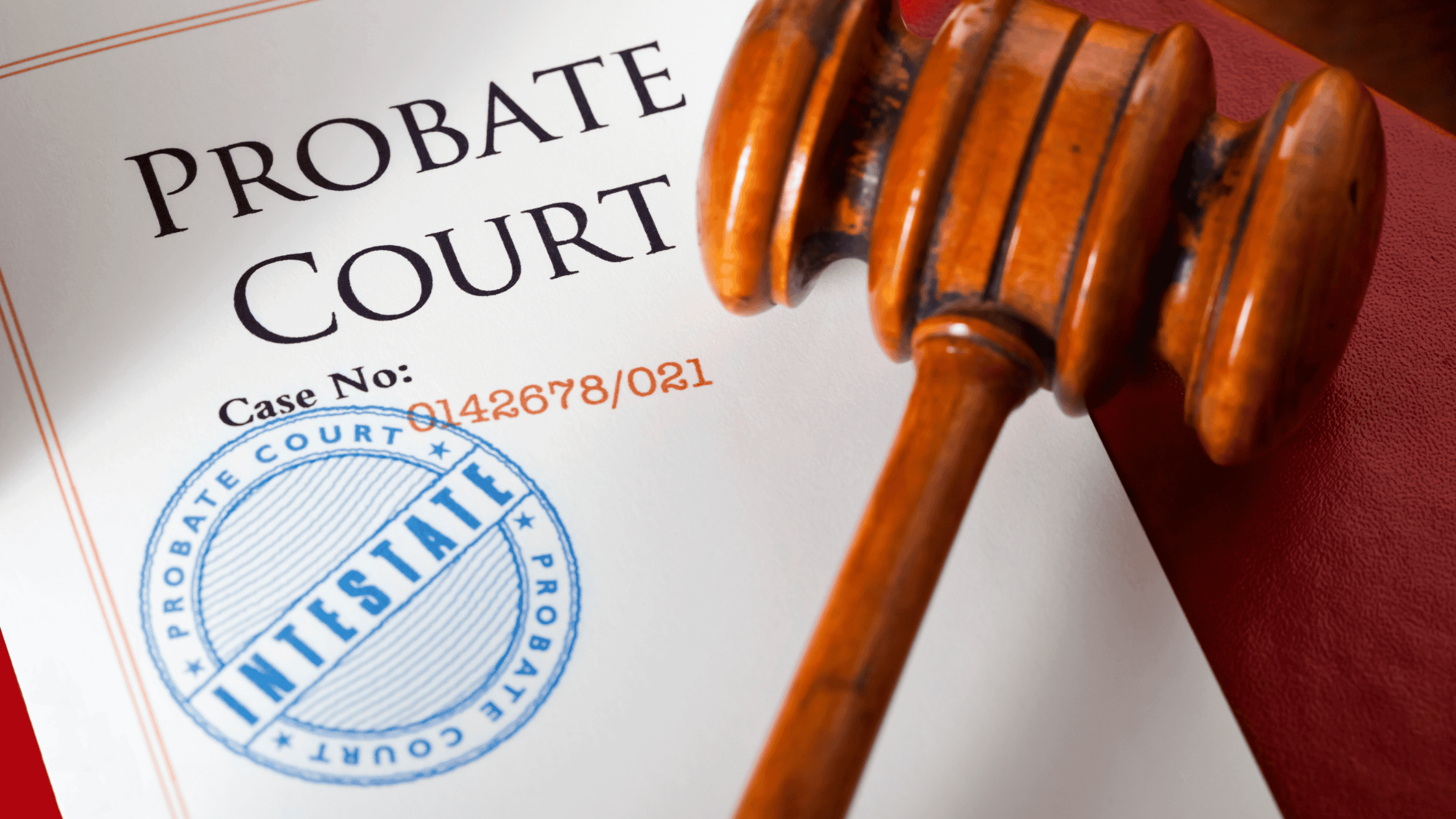

Do You Need a Slip and Fall Lawyer in Ontario? Know Your Rights After a Fall

Do You Need a Slip and Fall Lawyer in Ontario? Know Your Rights After a Fall

🧑‍⚖️ Do You Need a Slip and Fall Lawyer in Ontario? Know Your Rights After a Fall

Slip and fall accidents can be physically painful and legally complicated. One moment you’re walking through a grocery store or parking lot — the next, you’re injured and unsure what to do. If this sounds familiar, you’re not alone. Every year, thousands of Ontarians are injured in slip and fall accidents due to unsafe conditions.

The good news? In many cases, you have legal rights to compensation — and a qualified slip and fall lawyer Ontario can help you get it.

Whether you’re dealing with mounting medical bills, missed work, or long-term pain, this guide explains when you can sue, how personal injury claims work, and why hiring a slip and fall lawyer Ontario is the smartest move you can make.

❓ What Counts as a “Slip and Fall” Claim in Ontario?

A slip and fall accident occurs when you lose your footing due to a hazardous condition — usually on someone else’s property. These incidents fall under premises liability law, which holds property owners responsible for maintaining a safe environment.

Common Examples:

  • Icy sidewalks and driveways
  • Wet floors in stores or restaurants
  • Uneven stairs or broken handrails
  • Spills or debris left unattended
  • Poor lighting in stairwells or parking garages

If any of these contributed to your fall, a slip and fall lawyer Ontario can investigate and determine if you have a valid claim.

📍 Why Local Experience Matters: Slip and Fall Injuries in Shelburne

If you were injured in Shelburne or the surrounding Dufferin County area, your case is subject to Ontario’s Occupiers’ Liability Act. This legislation outlines how much care a property owner or occupier must show to protect people from harm.

Example:
You slipped on ice in a commercial parking lot on Main Street in Shelburne. If the property owner didn’t salt the area despite weather warnings, they may be held legally responsible.

A local slip and fall lawyer Ontario, like those at PK Law & Associates, understands how these laws apply right here in Shelburne.

⚖️ When Can You Sue for a Slip and Fall?

You can file a personal injury lawsuit if your fall was caused by:

  • Negligence (e.g., failure to clear snow)
  • Dangerous property conditions
  • Lack of proper maintenance or repair

However, it’s not always straightforward. You must prove that:

  1. The property owner owed you a duty of care
  2. They breached that duty
  3. Their negligence directly caused your injuries

This is where a slip and fall lawyer Ontario becomes essential — gathering evidence, interviewing witnesses, and working with medical experts to build your case.

🕒 Don’t Wait: Strict Time Limits Apply

Under Ontario law, you generally have 2 years from the date of the accident to file a lawsuit. But:

  • If your fall happened on municipal property (like a sidewalk or park), you must provide written notice within 10 days
  • If you miss this deadline, your claim could be dismissed — even if it’s valid

A good slip and fall lawyer Ontario will ensure all deadlines are met so your rights are protected from day one.

🚩 Red Flags That Suggest You Might Need a Lawyer Immediately

If any of the following apply, don’t delay legal help:

  • The fall resulted in a broken bone, concussion, or long-term pain
  • You missed work due to injury
  • There’s no incident report, and the property owner is denying it happened
  • The insurance company is offering you a small or fast settlement
  • You fell on government or municipal property (e.g., sidewalk, park)

Even if you’re unsure, a quick call to a slip and fall lawyer Ontario could save you from making a costly mistake.

💵 What Compensation Can You Claim?

Victims of slip and fall accidents may be entitled to various types of compensation, also known as a personal injury settlement.

Economic Damages:

  • Lost wages or reduced earning capacity
  • Medical bills (current and future)
  • Physiotherapy, rehab, assistive devices

Non-Economic Damages:

  • Pain and suffering
  • Loss of enjoyment of life
  • Psychological trauma

A skilled slip and fall lawyer Ontario will calculate your losses, negotiate with insurers, and fight for a fair settlement — or take the case to court if needed.

🚨 Insurance Companies Are Not on Your Side

After a fall, you might get a call from the property owner’s insurance provider. They may offer a quick settlement — often far below what your claim is worth.

Warning:

  • Don’t give a recorded statement without legal advice
  • Don’t accept an early offer without consulting a slip and fall lawyer Ontario
  • Insurance adjusters are trained to protect their bottom line — not your recovery

🧑‍💼 How a Slip and Fall Lawyer in Ontario Helps

Hiring a lawyer may sound stressful — but it actually takes the pressure off you. Here’s what your legal team will handle:

TaskHow It Helps You
Investigate the incidentCollect CCTV, weather data, witness statements
Assess liabilityDetermine if the property owner is at fault
Calculate damagesEnsure all losses (present and future) are covered
Negotiate settlementHandle insurer communication, maximize payout
Represent you in courtArgue your case if needed

At PK Law & Associates, our slip and fall lawyer Ontario team has helped many clients in Shelburne secure the compensation they deserve.

📅 Legal Timeline: What Happens After You Hire a Slip and Fall Lawyer

Hiring a slip and fall lawyer Ontario doesn’t mean you’re going to court tomorrow. Here’s what usually happens:

Step 1: Free Consultation

You discuss the details of your accident. The lawyer will assess whether you have a viable claim.

Step 2: Investigation Begins

They gather evidence (photos, reports, video footage, medical records, and witness accounts).

Step 3: Notice of Claim & Legal Filing

If necessary, your lawyer sends a formal notice to the at-fault party or their insurer.

Step 4: Settlement Negotiation

Most slip and fall cases are resolved through settlement. Your lawyer will negotiate the best compensation possible.

Step 5 (If Needed): Litigation

If the insurer refuses a fair offer, your slip and fall lawyer Ontario may take the case to court.

🛒 Real Case Example: Slip and Fall in Shelburne Grocery Store

Client: Female, mid-40s
Incident: Slipped on spilled juice in a grocery aisle with no warning sign
Injuries: Fractured wrist, concussion, chronic back pain
Outcome:

  • Grocery store’s insurer denied liability
  • PK Law gathered surveillance and witness statements
  • Settled pre-trial for $78,000

Takeaway: This outcome would not have been possible without a dedicated slip and fall lawyer Ontario.

🗣️ Client Testimonials (Sample Format)

“After slipping on icy steps at a local business, I was in pain and unsure of my rights. The team at PK Law walked me through every step. I never felt alone in the process. Thanks to their help, I received a fair settlement that covered my medical expenses and time off work.”
Michelle D., Shelburne, ON


“I fell in a grocery store in Orangeville and injured my hip. The store denied liability, and I felt completely overwhelmed. PK Law took over, handled the insurance company, and got me a settlement that paid for my surgery and rehab. They were professional and kind throughout.”
David R., Orangeville, ON


“I slipped on untreated ice outside my apartment complex in the early morning. I didn’t know I could sue, but a friend recommended PK Law. They explained everything clearly and got results fast. I’m so glad I called them when I did.”
Leah M., Alliston, ON


“My mother fell at a long-term care facility and broke her wrist. I wasn’t sure if we had a case, but PK Law took the time to investigate. They fought hard for my mom and made sure she was treated with dignity throughout. Thank you for standing up for seniors.”
Anita S., Shelburne, ON


“I was hesitant to call a lawyer after my fall at a local business in Caledon, but I couldn’t work and the bills were piling up. PK Law took care of everything. They never pressured me, and the outcome was more than I expected.”
Jaspreet G., Caledon, ON

🧠 FAQs About Slip and Fall Claims in Ontario

Do I need a lawyer for every fall?
No. But if you’re seriously injured due to someone else’s negligence, you absolutely should consult a slip and fall lawyer Ontario.

How much does a slip and fall lawyer cost?
Most work on a contingency fee basis — no upfront payment. You only pay if you win.

What if I was partially at fault?
You may still receive compensation under Ontario’s contributory negligence rules — though it may be reduced based on your share of the blame.

📝 5 Steps to Take Immediately After a Slip and Fall

  1. Take clear photos of the hazard and your injuries
  2. Report the incident to the property owner or manager
  3. Seek immediate medical care — even if it seems minor
  4. Gather witness contact info
  5. Contact a slip and fall lawyer Ontario right away

If you’ve been injured in a fall — whether at a business, rental property, or public space — don’t wait to act. Contact a trusted slip and fall lawyer Ontario at PK Law & Associates in Shelburne.

We offer:

  • Free consultations
  • No upfront legal fees
  • Decades of combined experience in Ontario personal injury law

Take the first step today toward peace of mind and fair compensation.

📍 Serving Shelburne & Surrounding Areas

PK Law & Associates proudly represents clients across:

  • Shelburne
  • Orangeville
  • Caledon
  • Dufferin County
  • Alliston
  • Rural Ontario

If you’re searching for a responsive, experienced slip and fall lawyer Ontario, our local team is here to help.

📞 Free Consultation – Speak to a Slip and Fall Lawyer Today

Don’t wait until it’s too late. If you’ve been injured in a fall on someone else’s property, you need strong legal representation.

Call PK Law & Associates now for a free consultation with a qualified slip and fall lawyer Ontario — and take the first step toward recovery.

PK Law & Associates, Shelburne
📍 476 Black Cherry Crescent, Shelburne, ON
📞 +1 (416)-898-7529
📧 [email protected]

10 Legal Pitfalls to Avoid in Ontario Real Estate Transactions

10 Legal Pitfalls to Avoid in Ontario Real Estate Transactions

🏡 10 Legal Pitfalls to Avoid in Ontario Real Estate Transactions

Introduction

Buying a home is a major milestone — but it’s also a legal minefield if you’re not careful. In Ontario, real estate transactions are governed by numerous laws, regulations, and contractual obligations that can easily trip up first-time buyers and even seasoned investors. This is why working with a real estate lawyer Ontario is not just smart — it’s essential.

In this guide, we’ll walk you through 10 critical legal pitfalls in Ontario real estate transactions and how to avoid them. If you’re involved in the buying a house legal process Ontario, or anywhere else in Canada, understanding these risks can save you money, stress, and potential lawsuits.

Let’s dive into the most common mistakes and how a real estate lawyer Ontario can help protect your interests.

⚠️ 1. Skipping the Lawyer Until the Last Minute

Many buyers make the mistake of involving a real estate lawyer Ontario only at closing — if at all. But by then, it may be too late to fix errors in the Agreement of Purchase and Sale (APS) or review important clauses.

🔎 Why It’s Risky:

  • You could sign a contract with vague conditions.
  • You might miss critical deadlines.
  • You may fail to understand buyer obligations (e.g. deposits, closing terms).

✅ Solution:

Involve your real estate lawyer Ontario before you sign anything. They can review your agreement and flag issues that a real estate agent might miss.

⚠️ 2. Misunderstanding the Agreement of Purchase and Sale (APS)

The APS is a binding contract — not just a formality. Misunderstanding any clause can lead to legal disputes or financial losses.

🔎 Common Issues:

  • Vague or poorly worded conditions
  • No financing condition
  • Missing chattels or fixtures clause

✅ Solution:

Have your real estate lawyer Ontario explain every clause. For example, ensure there’s a condition allowing you to back out if you can’t secure financing.

⚠️ 3. Ignoring Zoning and Land Use Restrictions

Buying a property with future plans for renovation or renting? You better be sure the property is zoned for your intended use.

🔎 Example:

You buy a duplex, planning to rent both units — only to learn it’s zoned for single-family use.

✅ Solution:

A real estate lawyer Ontario can check zoning bylaws and land-use regulations during due diligence to ensure compliance.

⚠️ 4. Not Conducting a Title Search

Title issues are more common than you think — from undisclosed liens to ownership disputes.

🔎 Why Title Matters:

  • Unpaid property taxes may be attached to the title.
  • Previous owners might have granted easements or rights-of-way.

✅ Solution:

Your real estate lawyer Ontario will conduct a full title search and recommend title insurance to protect you from undiscovered issues.

⚠️ 5. Overlooking Property Surveys and Boundaries

If a fence or structure is outside the legal boundary, it could lead to lawsuits with neighbors — or orders to remove it.

✅ Solution:

Your lawyer will help you:

  • Obtain a current survey (if available)
  • Flag encroachments
  • Confirm property dimensions align with legal records

⚠️ 6. Failing to Understand the Closing Costs

Buyers often underestimate the additional expenses involved in closing, which can derail your budget.

🔎 Examples of Closing Costs:

  • Land Transfer Tax
  • Legal fees
  • Title insurance
  • Property tax adjustments

✅ Solution:

A real estate lawyer Ontario can provide a clear breakdown of these costs during the real estate closing process Canada, so you’re not caught off guard.

⚠️ 7. Skipping Status Certificate Review for Condos

If you’re buying a condo, the status certificate outlines the building’s financial health, rules, and potential liabilities.

🔎 What to Watch For:

  • Pending litigation
  • Special assessments
  • Reserve fund deficits

✅ Solution:

Have your real estate lawyer Ontario review the certificate and flag any financial or legal red flags before waiving your conditions.

⚠️ 8. Not Including Escape Clauses or Conditions

Without appropriate clauses (like financing or inspection conditions), you might be locked into a deal you can’t afford or that has hidden issues.

🔎 Risk:

  • Failing to secure a mortgage = breach of contract
  • Undiscovered defects = no legal recourse

✅ Solution:

Your real estate lawyer Ontario will draft protective conditions into the contract that let you walk away if certain requirements aren’t met.

⚠️ 9. Not Verifying Seller Representations

Just because a seller says the basement is legal or the roof is new doesn’t mean it’s true.

🔎 Legal Pitfall:

  • If it’s not written into the contract, it’s not enforceable.

✅ Solution:

Have your real estate lawyer Ontario ensure that any promises or representations are put in writing — or have warranties included.

⚠️ 10. Attempting DIY Closings

Trying to handle the transaction yourself might save a few dollars — but it can cost you big if something goes wrong.

🔎 Common DIY Mistakes:

  • Missing deadlines
  • Filing documents incorrectly
  • Paying incorrect taxes

✅ Solution:

Let your real estate lawyer Ontario manage the real estate closing process Canada. They will:

  • Prepare legal documents
  • Transfer title
  • Register mortgage and deeds
  • Disburse funds properly

🧠 Bonus: Questions to Ask Your Real Estate Lawyer

To make the most of your legal support, ask your lawyer:

  1. Are there any risks in this contract?
  2. Have you checked the title for red flags?
  3. What’s the estimated total for closing costs?
  4. Are there any zoning concerns?
  5. Should I get title insurance?

🎯 Conclusion: Protect Your Investment with a Real Estate Lawyer

Real estate is one of the biggest financial decisions you’ll ever make — don’t let legal pitfalls ruin the experience. Whether you’re a first-time buyer or seasoned investor, partnering with a real estate lawyer Ontario ensures your transaction is smooth, compliant, and in your best interest.

From title searches and contract reviews to negotiating conditions and managing the real estate closing process Canada, their legal insight is invaluable.

📞 Ready to Buy Property in Ontario?

Don’t go it alone. Protect your investment and peace of mind by consulting a qualified real estate lawyer Ontario before signing anything. Whether you’re buying, selling, or investing — legal support is not optional. It’s essential.

🔄 Real-Life Scenarios: How Legal Pitfalls Cost Buyers Thousands

🧍‍♂️ Case 1: The Illegal Rental Unit

Mark bought a home in Mississauga assuming the basement was a legal rental. It wasn’t. The city issued a cease-use order, and he lost thousands in rental income.

How a real estate lawyer Ontario could have helped:
They would have checked for proper zoning, building permits, and fire code compliance.

🧍‍♀️ Case 2: Title Trouble with a Hidden Lien

Amira closed on her dream condo in Brampton only to discover a lien for unpaid contractor work from the previous owner. She had to pay $8,000 out of pocket.

How a real estate lawyer Ontario could have helped:
Title search + title insurance = protection from unknown claims.

📜 Legal Document Checklist for Ontario Home Buyers

DocumentPurpose
Agreement of Purchase and Sale (APS)Legal contract between buyer and seller
Title Search ReportConfirms ownership and any claims on the property
Property SurveyVerifies boundaries and structures
Status Certificate (for condos)Financial and legal status of the condo corporation
Mortgage DocumentsRequired if financing through a lender
Land Transfer Tax FormCalculates provincial and municipal land transfer taxes
Closing StatementBreakdown of all costs and payments at closing

Having a real estate lawyer Ontario helps review, explain, and complete each of these documents properly.

📈 The Rising Complexity of the Real Estate Market in Ontario

The Ontario housing market has grown more complex, with:

  • New zoning regulations for laneway and garden suites
  • Enhanced buyer/seller disclosure laws
  • Increased use of multiple-offer situations
  • More investors entering the market

This complexity means that relying on your agent alone is not enough. You need a real estate lawyer Ontario who understands local laws and evolving real estate practices.

🧠 FAQs About Real Estate Law in Ontario

❓ Do I really need a lawyer to buy a house in Ontario?

✅ Yes. A real estate lawyer Ontario is legally required to complete land transfers, but they also protect you from legal risks.

❓ What does a real estate lawyer do on closing day?

  • Transfers title
  • Registers mortgage
  • Ensures seller is paid
  • Disburses remaining funds
  • Registers you as the legal owner

❓ Can I back out after signing the Agreement of Purchase and Sale?

Only if there are conditions (like financing or inspection) that haven’t been met. Your real estate lawyer Ontario can advise you on your options.

❓ How much do real estate lawyers cost in Ontario?

Fees range from $900 to $2,500 depending on complexity. That small investment can save you tens of thousands in the long run.

💡 Legal Tips from Real Estate Lawyers in Ontario

  • Tip #1: Always review title insurance coverage — not all policies are the same.
  • Tip #2: Avoid firm offers unless you’re 100% sure of your financing and inspection results.
  • Tip #3: Ask for a closing cost estimate before making the offer — hidden fees can surprise you later.
  • Tip #4: If buying rural property, request a well water and septic system condition clause.
  • Tip #5: Don’t rely on verbal agreements — if it’s not in writing, it doesn’t exist.

🧾 Final Word

Whether you’re new to real estate or have experience, the real estate lawyer Ontario is your most valuable asset when buying or selling property. They protect your money, your legal rights, and your future. Every mistake in a real estate deal has a cost — and most are avoidable with the right legal guidance.